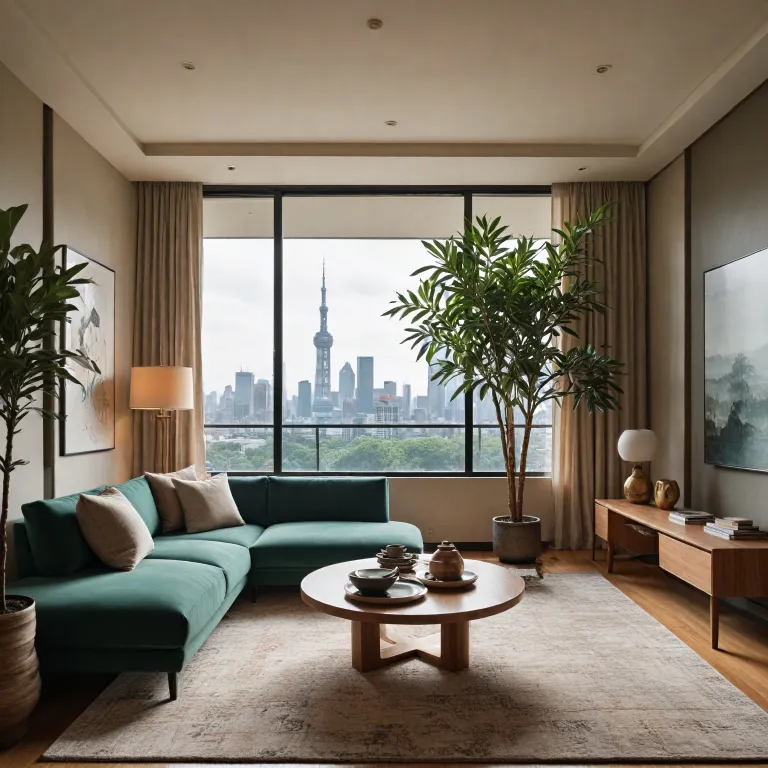
Design legacy of the opposite house Beijing in sanlitun
The opposite house Beijing stood as a striking green glass cube in the heart of sanlitun. Created by Japanese architect Kengo Kuma, the house hotel blended minimalist lines with warm timber details that echoed traditional Chinese courtyard homes. This balance of contemporary design and heritage made the hotel a reference point for travelers who valued architecture as much as comfort.
Located in chaoyang district, the hotel Beijing property sat within the Taikoo Li complex, one of the city hubs for upscale shopping and dining. Guests could step from their room directly into a lively urban square, then reach major Beijing attractions within a short taxi ride. For many visitors to Beijing China, the opposite house became both a stylish base and an informal gateway to the wider city.
The house Beijing address at Building 1, Courtyard 11, Sanlitun Road placed it within minutes walk of fashionable cafés, galleries, and nightlife. This prime position in China Beijing also meant easy access to embassies and corporate offices for business travel. Swire Properties, the owner, integrated the house hotel into a broader vision for a modern commercial and lifestyle district.
Over its years of operation, the opposite house Beijing china welcomed international guests who appreciated discreet service and thoughtful details. Many reviews highlighted how the hotel team anticipated needs, from late check in to curated local recommendations. That reputation for intuitive service still shapes how travelers evaluate luxury hotels in Beijing today.
Rooms, suites, and thoughtful rooms facilities for modern travelers
The opposite house Beijing offered only 99 rooms, which allowed the service team to maintain a calm, residential atmosphere. Each room felt generous in size, with clean lines, pale wood, and large windows framing the city outside. The design language reflected Kengo Kuma preference for natural materials, while subtle Chinese elements grounded the interiors in Beijing China.
Open plan bathrooms with deep soaking tubs became a signature feature, and many guests mentioned them in gallery reviews and written feedback. High quality rooms facilities included premium linens, rain showers, and well organized storage that suited both short and extended travel. A carefully stocked mini bar emphasized crafted beverages and local snacks rather than generic global brands.
Families appreciated that some rooms could accommodate extra beds, which made multi generation stays more comfortable. For parents planning a day of sightseeing around Beijing attractions, the ability to request extra beds simplified logistics. Business travelers valued the large desks, strong connectivity, and quiet acoustics that turned each room into an efficient workspace.
Thoughtful touches extended beyond the individual rooms to shared spaces throughout the house hotel. Corridors were softly lit and lined with art, creating a gallery like feel that encouraged guests to slow their pace. Those who prioritized wellness could also access an exercise gym, and similar fitness focused facilities remain a key filter when comparing luxury hotels with gym options in Beijing through resources such as comprehensive guides to fitness and wellness in Beijing luxury hotels.
Pool, wellness, and the role of the exercise gym in urban stays
One of the most photographed features of the opposite house Beijing was its dramatic underground swimming pool. The pool space combined moody lighting, reflective surfaces, and clean geometry to create a tranquil retreat from the city above. Guests often described how a quiet early morning swim reset their energy before a full day of meetings or sightseeing.
The swimming pool sat alongside a compact but well equipped exercise gym, which catered to travelers who wanted to maintain routines while in Beijing China. Cardio machines, free weights, and stretching areas allowed guests to complete focused sessions without leaving the house hotel. For many frequent flyers, the presence of a good exercise gym now ranks alongside Wi Fi and breakfast as a non negotiable hotel feature.
Wellness at the opposite house extended beyond the pool and gym into subtle service rituals. Staff might offer infused water after a workout, or suggest a quiet corner of the lobby for reading between appointments in the city. These small gestures helped guests feel that their physical and mental balance mattered as much as efficient check in.
For today travelers comparing a hotel Beijing stay, the memory of that pool still influences expectations of what a luxury property in China Beijing should provide. Many reviews of newer hotels reference the opposite house as a benchmark for calm, design led wellness spaces. When evaluating options, it is worth checking how current properties integrate pool design, natural light, and exercise gym layouts into an overall sense of retreat.
Dining, bar culture, and the influence of jing yaa tang
Food and drink played a central role in the identity of the opposite house Beijing, especially through its acclaimed Chinese restaurant jing yaa tang. This venue became known for refined interpretations of regional Chinese dishes, served in a setting that balanced intimacy with contemporary style. Hotel guests and Beijing residents alike treated jing yaa tang as a destination in its own right.
Alongside jing yaa tang, the house hotel hosted other venues that showcased both international and local flavors. Menus often highlighted ingredients sourced from across China, reinforcing the connection between the capital city and wider culinary traditions. For many guests, evenings at the bar or restaurant became as memorable as time spent in the room or by the pool.
The property also maintained a thoughtful approach to the mini bar, curating drinks and snacks that reflected both Beijing China and broader Asian influences. Travelers arriving late from hong kong or other regional hubs could enjoy a quiet in room tasting rather than searching the city at night. This attention to detail supported a sense of effortless hospitality that many reviews praised.
For those planning future travel to Beijing, it is useful to look for hotels that echo this integrated approach to dining and design. Guides to fine dining experiences in Beijing luxury hotels can help identify properties where restaurants match the quality of rooms facilities. When a hotel treats its restaurants, bars, and mini bar as part of a coherent narrative, guests benefit from a richer sense of place.
Location, pets allowed policies, and practical details for guests
The opposite house Beijing occupied a strategic position in sanlitun, a district known for international brands, nightlife, and creative energy. From the house hotel entrance, guests were only minutes walk from flagship stores, cafés, and contemporary art spaces. This proximity allowed travelers to fill each day with varied experiences without spending long periods in traffic.
Many visitors appreciated how the hotel Beijing location simplified access to both leisure and business appointments across the city. Taxis and ride hailing services could reach major Beijing attractions, embassy areas, and corporate districts in reasonable times. For those arriving from hong kong or other Chinese cities, this central position reduced the stress often associated with navigating China Beijing on a tight schedule.
The property also welcomed pets, and its pets allowed policy made it stand out among luxury hotels in Beijing China. Guests traveling with pets could arrange suitable rooms and clarify any restrictions in advance, ensuring a smooth arrival. This approach acknowledged that for many travelers, pets are part of the family rather than an afterthought.
Practical considerations such as extra beds, late check out, and luggage storage were handled with the same calm efficiency. Reviews frequently mentioned how staff helped guests fill gaps between flights and room availability with thoughtful suggestions. When assessing current options in Beijing, it remains wise to examine how clearly a hotel communicates policies on pets allowed, extra beds, and other everyday needs.
From house hotel to retail landmark and what it means for travelers
The opposite house Beijing has now closed, with Swire Properties planning to redevelop the site into an innovative retail landmark within Taikoo Li sanlitun. This shift reflects a broader trend in Beijing China, where high value land in central districts often moves between hotel, office, and retail uses. For travelers, it means that a much loved house hotel has transitioned into a different role within the city fabric.
According to official information, “The Opposite House closed as part of Swire Properties' plan to redevelop the site into an innovative retail landmark in the Taikoo Li Sanlitun area.” The same source confirms that “The Opposite House was designed by renowned Japanese architect Kengo Kuma.” It also notes that “The site of The Opposite House will be transformed into an innovative retail landmark as part of the redevelopment plans for Taikoo Li Sanlitun.”
For guests who stayed there, photo gallery collections and gallery reviews now serve as a record of the hotel Beijing design and atmosphere. Many travelers still reference the opposite house when comparing new openings in China Beijing, especially regarding architecture, pool design, and service style. The legacy of Kengo Kuma work continues to influence how developers and operators think about integrating art, light, and space in urban hotels.
Looking ahead, visitors planning travel to Beijing will find other luxury properties in the city that respond to similar expectations. Some are linked to international groups such as Mandarin Oriental, while others are independent house hotel concepts shaped by local culture. When reading reviews, it helps to note how closely a property attention to rooms, rooms facilities, pool, and service echoes the standards once set by the opposite house Beijing.
How to choose a luxury hotel in Beijing after the opposite house
With the opposite house Beijing no longer accepting guests, travelers now face a different landscape when booking a luxury stay in the city. The key is to translate what made that house hotel special into practical selection criteria for current options. Start by clarifying priorities around design, location, wellness, and dining, then compare how each hotel Beijing candidate performs.
Architecture enthusiasts may seek properties that, like the work of Kengo Kuma, integrate natural materials and thoughtful light into their public spaces and room layouts. Those who valued the opposite house proximity to sanlitun might focus on hotels within minutes walk of major shopping and dining clusters. Travelers who remember the calm of its swimming pool and exercise gym will want to verify that new choices offer comparable wellness facilities.
When reading reviews, pay attention to how guests describe service, especially in relation to early arrivals, late departures, and special requests. Families should confirm policies on extra beds, interconnected rooms, and whether pets allowed options exist if needed. Business travelers may prioritize strong connectivity, quiet rooms, and efficient links to key Beijing attractions and commercial districts.
Finally, use photo gallery resources to assess whether the atmosphere of a property aligns with your expectations for travel in Beijing China. Look closely at images of the pool, mini bar, rooms facilities, and public areas to gauge how you might feel moving through the house. By applying lessons learned from the opposite house Beijing experience, guests can select hotels in China Beijing that offer both comfort and a meaningful connection to the city.
Key figures about the opposite house Beijing
- The opposite house operated for 16 years in Beijing.
- The house hotel offered 99 rooms during its period of operation.
- The property stood in the chaoyang district, within the Taikoo Li sanlitun complex.
Frequently asked questions about the opposite house Beijing
Why did the opposite house close ?
The opposite house closed because Swire Properties decided to redevelop the site into a new retail focused landmark within Taikoo Li sanlitun. This move aligns with broader plans to enhance the commercial landscape of the district and strengthen Beijing role as an international shopping and lifestyle hub. As a result, the former hotel building will transition from hosting guests to supporting high end retail and related services.
Who designed the opposite house ?
The opposite house was designed by Japanese architect Kengo Kuma, known for his sensitive use of natural materials and light. His approach combined contemporary minimalism with references to traditional Chinese courtyard houses, creating a calm yet striking presence in the middle of sanlitun. This architectural identity helped the house hotel gain recognition among design conscious travelers visiting Beijing China.
What will replace the opposite house ?
The site that once hosted the opposite house Beijing will be transformed into an innovative retail landmark as part of the ongoing development of Taikoo Li sanlitun. Plans indicate a focus on modern commercial spaces that integrate shopping, dining, and lifestyle experiences for both residents and visitors. While it will no longer function as a hotel Beijing property, the new project is expected to contribute to the vibrancy of the surrounding city district.
