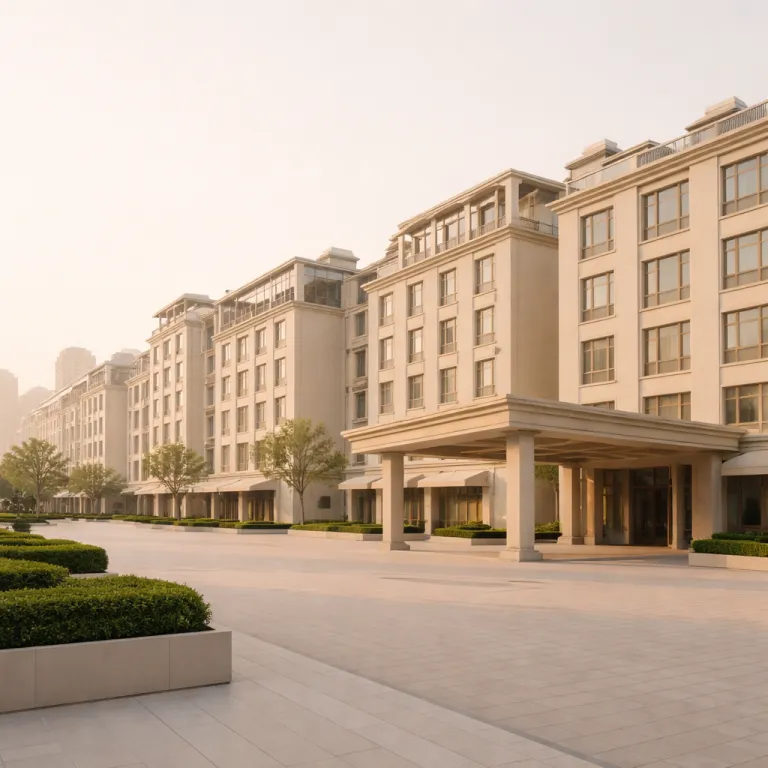
Chaoyang District: Quick Facts for Your Beijing Stay
- Best months to visit: late March–May and September–October for clearer skies and comfortable temperatures.
- Typical airport transfer times (2024 estimates): Beijing Capital International Airport (PEK) to CBD/Sanlitun: 40–60 minutes by taxi off-peak; 25–35 minutes by Airport Express to Sanyuanqiao. Beijing Daxing International Airport (PKX) to CBD/Sanlitun: around 55–80 minutes by car, longer in rush hour. Actual times vary with traffic and time of day.
- Key subway hubs in Chaoyang: Guomao (Lines 1 & 10), Tuanjiehu (Line 10), Sanyuanqiao (Airport Express & Line 10).
- Map tip: when you check the map, focus on walking distance to these stations rather than just the street name.
- Price note (ranges verified Q2 2024): five-star hotels in Chaoyang commonly start around ¥1,000–1,600 per night outside major fairs; design and lifestyle properties near Sanlitun often run higher in peak periods. Always confirm current rates for your dates.
Why Chaoyang District works so well for a Beijing stay
Glass towers along the East 3rd Ring Road catch the first light over Beijing while the hutongs near Dongyue Temple are still quiet. This contrast defines Chaoyang District and explains why so many travelers choose a hotel here. You are in the city’s main business district, but also within easy reach of major sights, contemporary art spaces and serious dining.
For a first Beijing stay, Chaoyang offers a practical balance. The location cuts down on cross-city traffic, with several subway stations on Lines 1, 2, 6, 10 and 14 linking you quickly to the Forbidden City, Sanlitun, and Beijing Chaoyang’s art clusters. From Guomao or Yong’anli, it is usually around 20–30 minutes by metro to Tiananmen and the Palace Museum, and about 40–60 minutes by taxi to Beijing Capital International Airport, depending on traffic; from Sanyuanqiao, the Airport Express train typically takes 25–35 minutes. For Beijing Daxing International Airport, plan roughly 55–80 minutes by car from most CBD and Sanlitun hotels, with longer journeys at peak hours. These timings are based on 2024 averages from local transport information and mapping tools and should be treated as estimates rather than guarantees.
The trade-off is clear. You sacrifice the postcard feel of the old city walls for skyline views, swimming pools and spacious rooms that are rare in the historic core. If you want a refined business hotel with a calm lobby, a strong breakfast to start the day, and easy transport for meetings or sightseeing, Chaoyang District is usually the most efficient choice in the city.
Understanding the micro-neighbourhoods of Chaoyang
South of Guomao Bridge, the CBD feels almost like a different city. Here, hotels sit above office towers and shopping galleries, with rooms facing west offering a dramatic stay view over the skyline at night. Representative five-star options such as China World Hotel Beijing and the Kerry Hotel Beijing often start around ¥1,000–1,600 per night outside major fairs (price bands checked in early 2024), while four-star business hotels nearby can be lower. This area suits travelers whose days are packed with meetings and who value quick access to corporate offices more than strolling distance to temples.
North around Tuanjiehu and Sanlitun, the mood softens. You still sleep in a modern hotel Beijing tower, but step outside to cafés, small galleries and late-night cocktail bars. Flagship Chaoyang hotels near Sanlitun, including The Opposite House and Conrad Beijing, usually price in the ¥1,400–2,200 range for standard rooms in busy seasons, with more modest lifestyle properties and serviced apartments offering lower nightly rates. From here, a short taxi ride along Gongti North Road takes you to Chaoyang Park, where morning joggers circle the lake and families rent pedal boats on weekends.
Further east, near Sanyuanqiao and Liangmaqiao, the district Beijing embassy zone brings a quieter, residential feel. Hotels here often have generous setbacks from the road, more greenery, and a slightly slower rhythm. Well-known five-star addresses such as Kempinski Hotel Beijing Yansha Center and Four Seasons Hotel Beijing typically sit in the ¥1,200–2,000 bracket, while nearby mid-range hotels and long-stay residences can be more economical. This is a good area if you want a warm, discreet stay, with less nightlife but easier airport access and a calmer atmosphere after a long day in the city.
What to expect from rooms, views and layouts
Rooms in Chaoyang’s premium hotels tend to be larger than those inside the Second Ring Road. Standard categories already feel generous, with wide desks, deep armchairs and, in many cases, a separate bathtub and walk-in shower. Higher categories may add a semi-separate living area, giving you a sense of spacious living that is welcome on a longer stay.
Views are a key differentiator. West-facing rooms in the CBD often frame the city’s dense skyline, with office towers glowing late into the night. East-facing rooms can be quieter, sometimes looking towards residential streets or, in a few cases, pockets of greenery. When you book, check whether the hotel can confirm a high floor; in Chaoyang, height usually means less traffic noise and a more expansive stay view.
For families or travelers planning several nights, suites with a distinct living room make a noticeable difference. You gain a proper place to work, read or share a late plate of fruit without sitting on the bed. Some properties quietly promote a complimentary fourth night offer during certain periods; if you are planning a longer Beijing stay, it is worth checking whether such extended-stay advantages exist before you lock in dates.
Service style, breakfast and dining in the district
Front desk teams in Chaoyang’s luxury hotel scene are used to handling complex itineraries. Early check-in after a red-eye, luggage held during a same-day trip to the Great Wall, car transfers between meetings in different parts of the district Beijing business area – these are routine requests, and the better properties handle them smoothly. English is widely spoken in this part of the city, which simplifies last-minute changes.
Breakfast is usually a highlight. Expect large open kitchen counters where chefs prepare eggs to order, hand-pulled noodles, and often a corner devoted to dim sum. A well-run breakfast service lets you start the day with both Western staples and local flavors, from congee with pickles to freshly steamed buns. In the evening, many hotels shift to more intimate lighting and quieter dining rooms, making it easy to stay in after a long day without feeling you have settled for a generic buffet.
Beyond the hotel, Chaoyang is one of the best districts in Beijing to explore food. Around Gongti East Road and down towards the CBD, you will find serious Peking duck specialists, sleek hotpot restaurants and small places serving northern noodles. Choosing a hotel within a short walk or a brief taxi ride of these clusters means you can enjoy a late dinner and still be back in your room within minutes.
Who Chaoyang hotels suit best – and when to look elsewhere
Travelers coming for business first, leisure second, are the natural audience for Chaoyang. The concentration of offices, embassies and conference venues makes a business hotel here the logical base. You gain time, predictability and the comfort of international-level service, from concierge desks that can arrange cars to front desk teams who understand tight schedules.
For families, the equation is more nuanced. If you value a swimming pool, larger rooms and easy access to Chaoyang Park for morning playtime, the district works very well. A hotel near a subway station on Line 10 or Line 6 keeps journeys to the historic center manageable, even with children. However, if your priority is to walk out of the lobby straight into hutongs and old courtyards, you may prefer to stay closer to the historic core and accept smaller rooms.
Couples on a short city break might split their time. Two or three nights in Chaoyang for a calm, polished start, then a move towards the old city for a more atmospheric final night. This kind of mixed Beijing stay lets you enjoy both sides of the city – the efficiency and comfort of Chaoyang District and the textured streets around the ancient lanes – without compromising too much on either.
How to choose and what to check before you book
Start with the map, not the marketing. Decide whether you want to be anchored near the CBD, close to Chaoyang Park, or in the embassy belt near Sanyuanqiao. From there, narrow down hotels by walking distance to at least one subway station; in Beijing, this often matters more than the exact street address. A five-minute walk to Line 10 or Line 1 can save you long taxi rides at rush hour.
Next, look closely at room categories. Check whether the entry-level room meets your expectations for size and layout, or whether you should move one step up to gain a better view or a more comfortable work area. If you plan to spend significant time in the room – working, resting between meetings, or traveling with family – this upgrade can change the feel of the entire stay.
Finally, pay attention to the details that shape daily rhythm. Confirm whether breakfast is included and what time service starts, especially if you have early departures. If a swimming pool or spa is important, verify opening hours rather than assuming. And if you are staying several nights, see whether the hotel offers any form of extended-stay benefit, such as a reduced rate after the third or fourth night, that might make a longer, more relaxed Beijing stay more appealing.
Is Chaoyang District a good area to stay in Beijing?
Chaoyang District is an excellent area to stay if you want modern comfort, efficient transport and proximity to Beijing’s main business and embassy zones. You trade some old-city charm for larger rooms, polished service and easy access to subway lines and major roads, which suits many business and leisure travelers.
What type of traveler is best suited to a hotel in Chaoyang?
Hotels in Chaoyang are best suited to business travelers, families who value space and a swimming pool, and visitors who prefer a calm, contemporary base with reliable service. Travelers seeking an immersive hutong atmosphere may prefer to split their time between Chaoyang and a more historic neighborhood.
How is the transport connection from Chaoyang to key Beijing sights?
Chaoyang is well connected by multiple subway lines and major ring roads, making it straightforward to reach central sights such as Tiananmen, the Forbidden City and major museums. From most CBD and Sanlitun hotels, allow around 20–30 minutes by metro to Tiananmen, 25–35 minutes by taxi to Beijing Railway Station, and roughly 40–60 minutes by car or Airport Express to Beijing Capital International Airport. These figures are based on 2024 journey-time estimates and can lengthen significantly during peak commuting hours.
What should I check before booking a hotel in Chaoyang District?
Before booking, check the exact location on the map, walking distance to the nearest subway station, room size and layout, breakfast arrangements, and the availability of facilities such as a swimming pool or spa. For longer stays, it is also worth checking whether the property offers any extended-stay advantages.
Is Chaoyang better than staying in the historic center of Beijing?
Chaoyang is better if you prioritize space, modern facilities and proximity to the business district, while the historic center is stronger for atmosphere and immediate access to traditional streets and landmarks. Many discerning travelers combine both, starting in Chaoyang for comfort and ending closer to the old city for character.
Ranked hotel recommendations in Chaoyang District
To turn this overview into concrete choices, here is a concise, ranked list of Chaoyang hotels with current price bands (verified Q2 2024 and subject to change), nearest subway stations and one-line reasons to pick each option.
- China World Hotel, Beijing – Approx. ¥1,200–1,800 per night; nearest stations: Guomao (Lines 1 & 10). Choose this if you want a classic luxury hotel directly in the CBD with seamless access to offices and shopping.
- The Opposite House – Approx. ¥1,600–2,400 per night; nearest station: Tuanjiehu (Line 10). Ideal for design-conscious travelers who want a stylish base in the heart of Taikoo Li Sanlitun’s dining and nightlife.
- Conrad Beijing – Approx. ¥1,400–2,200 per night; nearest stations: Hujialou (Lines 6 & 10) and Tuanjiehu (Line 10). A strong choice if you need a polished, modern hotel that balances business convenience with easy access to Sanlitun.
- Four Seasons Hotel Beijing – Approx. ¥1,500–2,300 per night; nearest station: Liangmaqiao (Line 10). Best for travelers who value refined interiors, attentive service and a calm retreat near the embassy district.
- Kempinski Hotel Beijing Yansha Center – Approx. ¥1,200–1,900 per night; nearest stations: Liangmaqiao (Line 10) and Sanyuanqiao (Line 10 & Airport Express). Well suited to guests who want an established five-star property with straightforward airport access.
