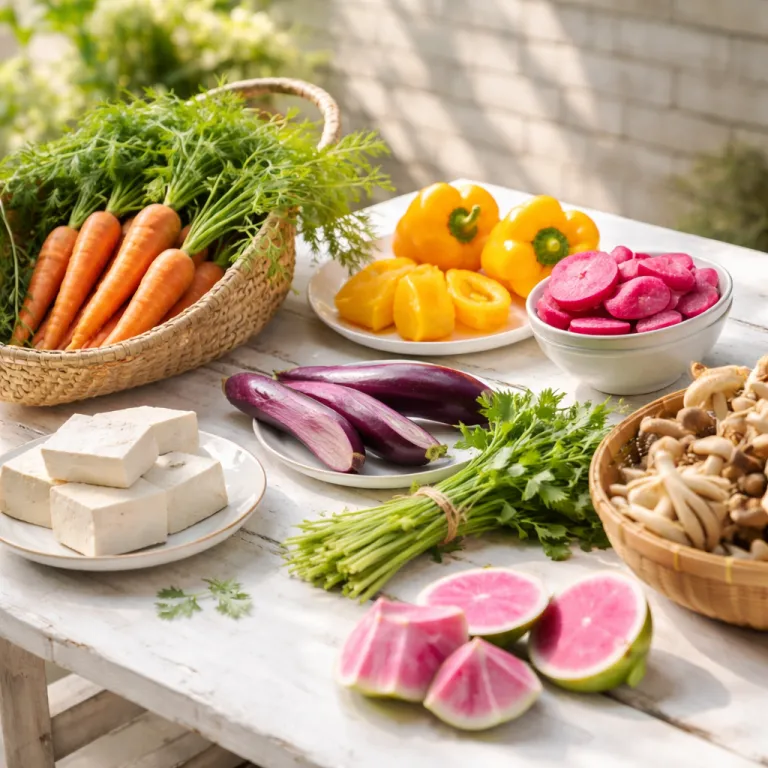
From temple kitchens to tasting menus: Beijing’s quiet vegetable revolution
Beijing vegetarian fine dining is no passing wellness fad for visiting couples. In the capital of China, where imperial banquets once revolved around meat, a new generation of chefs is building a plant-based language of luxury that feels rooted in centuries of Buddhist restraint and seasonal discipline. For travelers planning where to stay and where to eat, understanding this shift in vegetarian food culture is now as important as choosing the right district for your hotel.
The city’s temple kitchens laid the groundwork long before the first vegetarian restaurant in Beijing earned recognition from the Michelin Guide for its tasting menu. At places influenced by monastic cooking around Fayuan Si, cooks learned to coax depth from mushroom stocks, tofu skins and gorgon fruit rather than from bone broths, and those same techniques now underpin many of the most memorable vegetarian experiences in contemporary Chinese cuisine. When you sit down in a calm dining room in central Beijing and taste a single plant-based dish of braised mushrooms with aged soy sauce and chili oil, you are tasting a lineage that predates most Western vegetarian and vegan movements.
Luxury travelers often arrive expecting food China style to mean lacquered duck, lamb skewers and pork dumplings only. Yet the most interesting restaurants for couples now treat each vegetable as a protagonist, whether that is a sweet potato roasted in hay, a milk pudding reimagined without dairy, or a plate of translucent vegan dumplings filled with wild mushrooms from Hebei. This is not about abstention from food but about precision, where every dish on the menu is calibrated for texture, aroma and a sense of place in Beijing.
For guests booking premium hotels, this evolution matters because it changes how you plan your travel days and nights. A stay in the Dongcheng district or near the old hutongs can now be structured around vegetarian and vegan tasting menus, tea pairings and late walks past incense-filled courtyards instead of only bar hopping in Sanlitun. Choosing a property with a concierge who understands vegan-friendly fine dining is suddenly as critical as checking the spa menu or the thread count of the sheets.
Beijing best plant-based tables also challenge the old assumption that vegetarian food must imitate meat to feel indulgent. Rather than shaping tofu into ersatz duck or coating mushrooms in heavy sauce, chefs are leaning into clarity, serving dishes where a single stalk of asparagus or a slice of lotus root carries the narrative. For couples used to Western vegan restaurants that rely on butter substitutes and nut creams, this restraint can feel almost radical yet deeply luxurious.
Lamdre, King’s Joy and the new grammar of plant based luxury
Lamdre’s ascent to the upper tier of Asia’s rankings has crystallized Beijing vegetarian fine dining as a serious destination for global travelers. Owner Zhao Jia and chef Dai Jun are widely reported to work with local farms in northern China to build a menu that reads like a seasonal map of the region, from Inner Mongolian mushrooms to Hebei sweet potato and Beijing courtyard herbs. The result is a sequence of dishes that feels both meditative and quietly theatrical, ideal for a couple’s long evening away from the city’s traffic.
At Lamdre, the dining room is deliberately spare, with pale woods, soft textiles and sightlines that keep your focus on the food rather than on chandeliers. A typical plant-based dish might layer smoked tofu, charred mushroom and a bright green herb sauce, each element referencing temple cuisine yet plated with contemporary precision. This is where vegetarian food becomes fine dining without apology, and where the phrase vegetarian vegan finally feels redundant because the cooking is simply ambitious Chinese cuisine.
King’s Joy, often described as the best vegetarian address in the capital, takes a different route to the same summit. Set near Yonghe Lama Temple in the Dongcheng district, this vegetarian restaurant surrounds couples with gardens, glass and a sense of hushed ceremony that suits anniversaries and milestone trips. Here, three-Michelin-star ambition is expressed through tasting menus that might move from gorgon fruit jelly to delicate dumplings in chili oil, then to a dessert of steamed milk pudding reworked with plant-based ingredients.
According to the Michelin Guide Beijing 2024, King’s Joy currently holds three Michelin Stars, while Lamdre has been recognized with one Michelin star in the same guide, placing both firmly on the global map for food China enthusiasts. These Michelin stars matter for luxury travelers because they signal not only technical excellence but also service standards, wine programs and the ability to handle complex dietary requests with grace. When you are planning a romantic trip that may also include a detour to Shanghai’s high-end hotel scene, it makes sense to compare these experiences with other Asian capitals using trusted fine-dining resources and recent restaurant guides.
Beyond these headline names, Blossom Vegetarian in the Dongcheng district offers a more relaxed yet still refined approach, recognized with a Michelin Bib Gourmand for its value-driven vegetarian food. Couples can share plates of braised tofu, crisp fried mushrooms and sweet potato bathed in a light soy-based sauce, then step back into the lantern-lit streets for a walk through old Beijing. Gong De Lin and Pure Lotus, both long-standing vegetarian restaurants in the city, round out a constellation of vegan-friendly addresses that make it easy to plan several nights of plant-based dining without repetition.
For hotel bookers, the practical takeaway is clear and non-negotiable. Make reservations in advance, check dress codes, and inquire about vegan options. For popular dinner slots at King’s Joy and Lamdre, aim to book at least one to two weeks ahead, especially on weekends and during major holidays; smart casual attire is recommended at King’s Joy, and Lamdre is suitable for special occasions.
How luxury hotels are curating Beijing vegetarian fine dining for couples
Premium hotels in Beijing have started to treat vegetarian food as a core part of their guest experience rather than a footnote on the room service menu. General managers now brief their concierges on which vegetarian restaurant has a last-minute table, which vegan restaurants can handle allergies, and which dining room offers the quietest corner table for a proposal. For couples planning a stay, this means your choice of property can either amplify or dilute the richness of the city’s plant-based scene.
In the central business district, several high-end hotels run their own Chinese cuisine restaurants that now feature dedicated vegetarian vegan tasting menus. A chef might reinterpret classic dumplings with a filling of wild mushrooms and tofu, served with a bright chili oil and black vinegar dip, while another dish might spotlight sweet potato glazed with maltose and citrus. These menus are often based on seasonal produce from Hebei and Inner Mongolia, echoing the same supply chains that power Lamdre and King’s Joy.
Hutong-facing properties in the Dongcheng district and near the Drum Tower tend to lean into intimacy rather than spectacle. A concierge here is more likely to send you to a tiny plant-based restaurant hidden behind a grey brick wall, where the food might not have Michelin stars but the cooking shows the same respect for mushrooms, tofu and gorgon fruit as the city’s grander addresses. For many couples, one night at a three-Michelin-level temple of gastronomy and another at a family-run vegetarian restaurant creates the most satisfying balance.
Hotel teams are also rethinking in-house offerings for guests who want to stay close after a long day of travel or sightseeing. Afternoon tea services now feature vegan-friendly milk pudding, sesame-based sweets and fruit plates that highlight regional produce instead of generic pastries, while room service menus quietly expand their lists of vegetarian dishes beyond a single pasta. When you read a property’s dining section, look for explicit mentions of plant-based options, vegetarian food labeling and partnerships with named vegetarian restaurants in Beijing.
For couples who see wellness as part of romance, the alignment between spa programs and vegetarian food can be decisive. Some hotels pair long hydrotherapy sessions or overnight spa packages with set menus at nearby vegan restaurants, creating a full evening that moves from massage table to candlelit dining room without a taxi ride. You can see how this thinking parallels the city’s broader wellness shift in our feature on Beijing’s 24 hour spa phenomenon, where the same guests booking deep tissue treatments are now asking for plant-based tasting menus.
To make the most of this ecosystem, use your hotel as a strategic base camp for Beijing vegetarian fine dining rather than as a sealed bubble. Ask the concierge which vegetarian restaurant they personally visit on their nights off, and whether any chef in the kitchen is experimenting with vegetarian vegan specials that are not yet printed on the menu. Then cross reference those suggestions with curated guides to fine dining in Beijing hotels to build a coherent, indulgent itinerary.
Designing a romantic plant based evening in Beijing, from aperitif to last dumpling
A well-planned night of Beijing vegetarian fine dining can be as choreographed as any opera performance at the National Centre for the Performing Arts. Start by choosing a restaurant whose dining room atmosphere matches your mood, whether that is the hushed, almost monastic calm of Lamdre or the garden-framed elegance of King’s Joy in the Dongcheng district. Then work backwards from your reservation time to shape the rest of your travel day, leaving space for a nap, a spa session and a slow walk to dinner.
For a two or three hour tasting menu, couples should think of the experience as a journey through textures and temperatures rather than a parade of heavy dishes. You might begin with a cool gorgon fruit salad or a single bite of pickled vegetable, move into a sequence of warm dumplings and tofu-based plates, then finish with a sweet course built around seasonal fruit or a reimagined milk pudding. In the best vegetarian restaurants, each dish is small enough to keep you curious yet substantial enough that you never feel short changed.
Dress codes at the top end of Beijing vegetarian fine dining skew toward smart casual, which in practice means a dress or tailored separates for women and a shirt with trousers for men. Jackets are welcome but rarely mandatory, and the emphasis is on quiet elegance rather than logo-heavy fashion, which suits the contemplative nature of this plant-based cuisine. If you are coming from a day of temple visits or hutong walks, plan a quick change at your hotel so that you arrive feeling refreshed and ready to focus on the food.
Drinks pairings in this corner of Chinese cuisine often highlight tea, low-intervention wines and occasionally baijiu served in restrained quantities. A jasmine or oolong pairing can echo the floral notes in a mushroom broth or the roasted edges of a sweet potato dish, while a light white wine might lift the richness of tofu cooked in fermented bean sauce and chili oil. For couples who do not drink alcohol, tea flights and fresh juices based on seasonal fruit from northern China can be just as nuanced.
Perhaps the most persuasive counter argument to the old cliché that Beijing equals meat comes at the end of such an evening. When you realize that you have eaten ten or twelve vegetarian vegan courses, from dumplings to braises to sweets, and never once missed animal protein, the city’s identity at the table shifts. You start to see Beijing not only as the home of roast duck but also as one of the world’s Beijing best cities for thoughtful, plant-based luxury dining.
Key figures shaping Beijing’s vegetarian fine dining landscape
- King’s Joy in Beijing holds three Michelin Stars for its vegetarian cuisine, making it one of the most decorated plant-based restaurants in China and a benchmark for best vegetarian tasting menus in Asia (data from Michelin Guide Beijing 2024).
- Lamdre in Beijing has been awarded one Michelin star for its vegetarian fine dining approach, confirming the city’s growing recognition for high-end vegetarian food alongside traditional meat-focused Chinese cuisine (data from Michelin Guide Beijing 2024 and restaurant listings).
- Blossom Vegetarian in the Dongcheng district has received one Michelin Bib Gourmand award, signaling strong value for money in a market where many vegan restaurants operate at luxury price points (data from the official Michelin Guide for Beijing).
- Beijing’s leading vegetarian restaurants, including King’s Joy, Lamdre, Blossom Vegetarian, Gong De Lin and Pure Lotus, operate year round, allowing travelers to plan plant-based itineraries in any season without relying on pop ups or temporary events (compiled from restaurant profiles in international dining guides).
- The rise in vegetarian fine dining in Beijing reflects a broader global trend toward sustainability and health-conscious travel, with local partners such as organic farms and sustainable suppliers now embedded in the supply chains of top vegetarian restaurants across the city (context from industry reports on plant-based dining and sustainable sourcing).