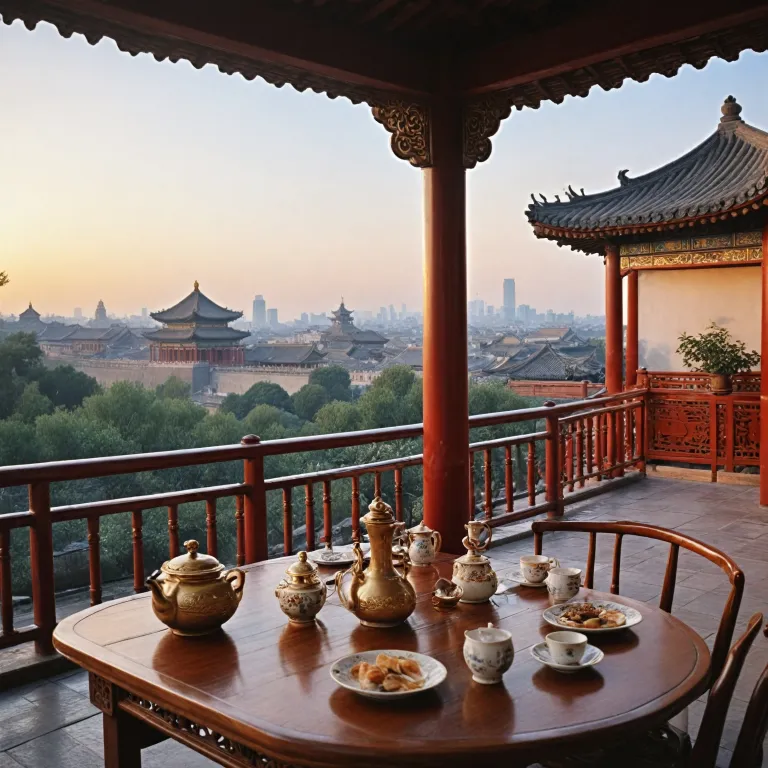
Timeless imperial landmarks and refined city stays in Beijing
Beijing in China offers an elegant blend of imperial heritage and contemporary comfort. For many travelers, the most memorable things to see and do in Beijing begin at its grand palaces and serene parks, then continue in the discreet luxury of a well located hotel Beijing. When planning a premium trip, it helps to think of the city as a series of distinct districts, each with its own character, dining scene, and access to top things to see.
The Forbidden City sits at the heart of the city and remains one of the best things for first time visitors who want to understand Chinese imperial power. Official figures indicate that the number of annual visitors to the Forbidden City is 14 million, which explains why advance tickets and timed entries are now essential for a smooth day. Most travelers pair a visit to the Forbidden City with Tiananmen Square, then continue to Jingshan Park for a panoramic view over the palace roofs at sunset.
From a luxury perspective, staying near these central landmarks shortens travel time and allows you to return to your hotel Beijing for a rest between visits. High end properties in this area often arrange private guides who can explain the symbolism of each gate, wall, and courtyard, turning a simple walk into a deeper cultural experience. To optimize your route between imperial sites and your chosen hotel, many concierges recommend using Baidu Maps alongside the official Beijing Tourist Map for accurate local navigation.
Great Wall day trips and elevated experiences outside the city
For many guests, the Great Wall is the single most important of all things to see and do in Beijing. The section of the Great Wall within Beijing extends for hundreds of kilometers, so choosing the right area for your day trip is crucial for comfort and crowd levels. Official data notes that the length of the Great Wall within Beijing is 573 kilometers, which explains the wide range of possible itineraries and driving times.
Premium travelers often select quieter stretches of the Great Wall for a more exclusive day, sometimes combining a private transfer with a guided hike along restored and unrestored segments. When comparing options, ask your hotel Beijing concierge about the current entrance fee in local currency and the approximate fee USD, as these can vary by section and season. Many luxury properties can also arrange sunrise or late afternoon visits, which reduce the number of people on the wall and create softer light for photography.
Because a Great Wall excursion can be physically demanding, it is wise to plan lighter activities in the city for the evening. Some refined itineraries pair a Great Wall day trip with a reserved table for Peking duck or a curated food tour focused on roast duck and regional Chinese dishes. For more inspiration on unforgettable activities that balance heritage and comfort, you can consult this guide to unforgettable things to do in Beijing for a refined city stay, which aligns well with high end travel expectations.
Historic parks, tranquil lakes, and refined urban nature
Within the dense city, Beijing offers a network of historic parks and lakes that provide calm spaces between museum visits and business meetings. Beihai Park covers a significant area and is managed by the Beijing Municipal Administration Center of Parks, which oversees maintenance and cultural programming. Official statistics indicate that the area of Beihai Park is 71 hectares, giving visitors ample room to stroll, rent a boat, or simply sit by the water during a busy day.
Jingshan Park, just north of the Forbidden City, rewards a short climb with one of the best things in terms of skyline views, especially at sunset when the palace roofs glow. Many travelers consider a combined visit to the Forbidden City, Jingshan Park, and nearby Beihai Park as one of the top things to see and do in Beijing in a single, well structured day. When planning your trip, check the entrance fee and any combined ticket options, and ask your hotel Beijing concierge to confirm the latest opening hours.
Farther from the center, the Summer Palace offers lakeside pavilions, painted corridors, and landscaped hills that reflect classical Chinese garden design. This imperial retreat is often included among the best things for time rich visitors who appreciate art, architecture, and gentle walks more than fast paced street experiences. For a broader overview of essential activities that connect these green spaces with cultural highlights, consider the detailed advice in this article on essential things to do in Beijing China for a refined city stay, which is particularly relevant for premium travel planning.
Temples, squares, and meaningful cultural encounters
Beyond palaces and parks, some of the most rewarding things to see and do in Beijing involve its temples and civic spaces. The Temple of Heaven complex, with its iconic circular hall and surrounding park, illustrates the relationship between imperial ritual and agricultural cycles in Chinese history. Many visitors choose to arrive early in the day to watch residents practicing tai chi, dancing, or playing traditional instruments, which adds a human dimension to the architectural setting.
The Lama Temple, also known as Yonghe Temple, is another highlight that frequently appears on lists of top things in the city. This active Tibetan Buddhist temple offers incense filled courtyards, intricate statues, and a calm atmosphere that contrasts with nearby street traffic. When planning your trip, note that both the Temple of Heaven and the Lama Temple charge an entrance fee, and it is wise to confirm the current fee USD equivalent through your hotel Beijing or official channels.
Tiananmen Square, located just south of the Forbidden City, remains a central reference point for many itineraries in Beijing China. While the square itself is vast and formal, it connects logically with several museums and memorials that deepen understanding of modern Chinese history. For structured guidance on respectful behavior, security procedures, and optimal time windows for visiting these sensitive sites, the Beijing Tourism Development Committee provides clear recommendations for time visitors who may feel uncertain.
Street life, refined dining, and culinary highlights in Beijing
Food is a central part of any refined trip, and many of the best things to see and do in Beijing revolve around its culinary scene. Traditional street markets and modern food halls offer a wide range of Chinese snacks, from steamed dumplings to skewers, which can be explored independently or through a guided food tour. When walking these areas, use Baidu Maps to navigate side alleys and lesser known streets, as some of the most atmospheric food streets are not immediately obvious from main roads.
Peking duck remains the signature dish of the city, and many luxury hotels maintain close relationships with renowned roast duck restaurants to secure prime seating times. A well planned evening might begin with a stroll along a lively street, followed by a multi course Peking duck dinner and perhaps a late night hot pot experience with friends or colleagues. For travelers who do not speak Chinese, hotel concierges can assist with reservations, menu explanations, and dietary requests, ensuring that language barriers do not limit culinary enjoyment.
As interest in sustainable travel grows, more operators now offer food tours that emphasize responsible sourcing and support for long standing family businesses. These curated experiences often rank among the best things for repeat visitors who have already seen the Great Wall and the Forbidden City but still want meaningful things Beijing can offer. To align your dining plans with a sophisticated city stay, you may also wish to review this in depth guide to refined business and leisure stays in east Beijing, which highlights hotel locations that pair well with notable restaurants.
Planning tools, premium hotels, and practical tips for a seamless stay
Thoughtful planning transforms a list of things to see and do in Beijing into a coherent, enjoyable itinerary. The Beijing Tourism Development Committee encourages travelers to purchase tickets in advance for popular attractions to avoid long queues, and to visit major sites early in the morning to avoid crowds. They also note that the best time to visit Beijing is during spring (April to June) and autumn (September to October) when the weather is pleasant and the natural scenery is at its most vibrant.
For navigation within the city, many hotel Beijing concierges recommend combining Baidu Maps with the official Beijing Tourist Map and a reliable mobile translation app. While knowing Chinese can be helpful, many signs in Beijing are bilingual, and translation apps can assist non-Chinese speakers, which reassures first time visitors. The city’s efficient subway network shortens travel time between the Forbidden City, the Temple of Heaven, the Lama Temple, and modern districts where premium hotels cluster.
When comparing luxury and premium properties, consider proximity to your personal list of top things, as well as access to parks like Beihai Park, Jingshan Park, and the Summer Palace. Many high end hotels now integrate digital guides and even AR tools that overlay historical information on real world views, reflecting a broader trend toward augmented reality experiences at major sites. Finally, remember that most major attractions in Beijing charge entrance fees, so it is advisable to check the official websites or contact the sites directly for the most up to date information before confirming your trip budget.
Key statistics for planning refined visits in Beijing
- Number of annual visitors to the Forbidden City : 14 million.
- Length of the Great Wall within Beijing : 573 kilometers.
- Area of Beihai Park : 71 hectares.
Essential questions for planning your Beijing trip
What is the best time to visit Beijing?
The best time to visit Beijing is during spring (April to June) and autumn (September to October) when the weather is pleasant and the natural scenery is at its most vibrant. These seasons are particularly suitable for walking the Great Wall, exploring the Forbidden City, and enjoying parks such as Beihai Park, Jingshan Park, and the Summer Palace. Luxury and premium hotels also tend to offer curated seasonal experiences during these periods, from garden themed afternoon teas to guided photography walks.
Are there any entrance fees for Beijing's major attractions?
Yes, most major attractions in Beijing charge entrance fees, including the Forbidden City, the Temple of Heaven, the Lama Temple, and the Summer Palace. It is advisable to check the official websites or contact the sites directly for the most up to date information, including any changes in fee USD equivalents for international visitors. Many high end hotels assist guests by pre booking tickets, explaining time slot systems, and integrating entrance fee details into customized day trip plans.
Is it necessary to know Chinese to navigate Beijing?
While knowing Chinese can be helpful, many signs in Beijing are bilingual, and translation apps can assist non Chinese speakers. Younger generations and service staff in tourist areas often speak basic English, which makes it easier to arrange taxis, restaurant bookings, and guided tours. For added reassurance, premium hotels usually provide bilingual concierge teams who can write addresses in Chinese characters, recommend Baidu Maps routes, and coordinate with local partners on your behalf.
