From hutong steam to hotel chandeliers: how luxury eating in Beijing really works
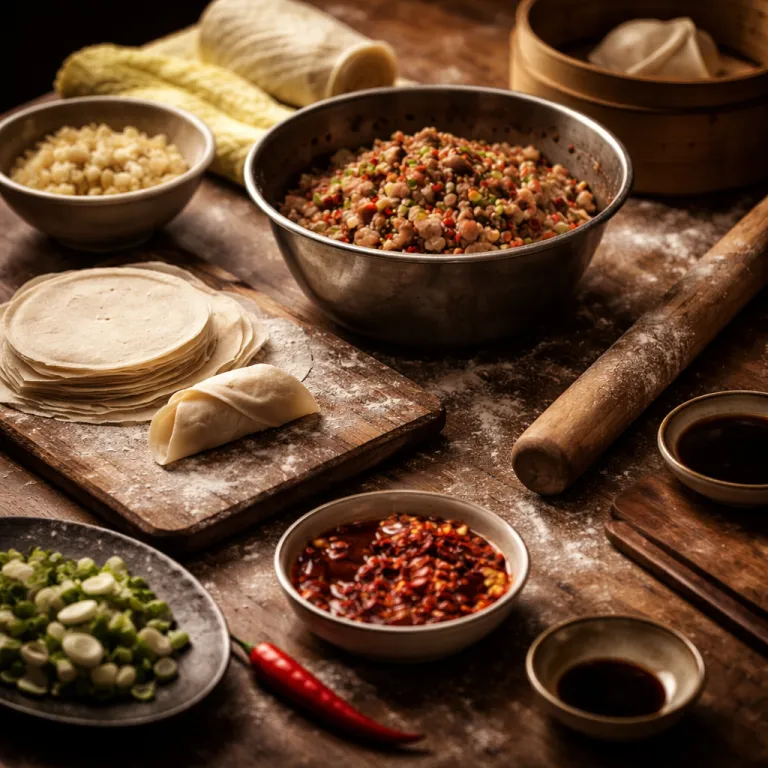
Luxury in China’s capital often begins at a street corner griddle, not only under crystal lights. A serious beijing food guide luxury for modern china travel must treat a grandmother folding jiaozi beside a grey brick wall with the same respect as a three star tasting menu, because both define how you eat Beijing and understand this city. When you plan travel through the capital, think of your days as tasting flights that move from traditional beijing breakfasts in hutong alleys to late night cocktails in the lobby bars of the best hotels Beijing offers.
The city stretches wide, yet the most memorable food often hides in tight lanes near the Forbidden City or in the Dongcheng District, where steam from fried dumplings curls around bicycles and laundry lines. A practical guide Beijing for solo travelers means mapping these humble spots Beijing around your hotel location, then layering in reservations at headline restaurants so your palate moves between crispy street snacks and polished fine dining flavors Beijing without wasting time in traffic. Use the subway, taxis or a guided day tour focused on food, because walking between stalls, small restaurants and luxury hotels gives you a real sense of everyday beijing style life.
Think of the Great Wall and the Forbidden City as anchors, then plan meals in concentric circles around them. When you visit the great wall China sections most travelers choose, pair the excursion with a late lunch back in the city at a traditional restaurant near your hotel, rather than settling for forgettable tourist food beside the wall China itself. A curated beijing best eating plan balances price, distance and atmosphere, so you can move smoothly from jiaozi stalls to rosewood level dining rooms without sacrificing comfort or time.
Street breakfasts to Bib Gourmand lunches: structuring a perfect solo eating day
Morning in Beijing belongs to griddles, steamers and the smell of batter hitting hot plates. Any serious beijing food guide luxury should start with jianbing from a cart near your hotel, followed by a plate of boiled or fried jiaozi that usually costs around 20 RMB per serving, which matches the average price of jiaozi per plate reported by specialist China travel resources. This kind of breakfast lets you eat Beijing like a local while keeping budget space for a Michelin star dinner later in the day.
By late morning, wander through hutongs near the Forbidden City or the Dongcheng District, where traditional Beijing snacks share alleys with minimalist cafés and small restaurants serving regional food from across China. Use local food apps and translation tools to identify the best places for lunch, especially Bib Gourmand level spots Beijing that focus on authentic flavors Beijing at a fair price rather than theatrics, because these addresses often deliver the beijing best value for solo travelers. If you enjoy planning, align your lunch stop with a cultural visit, such as a courtyard museum or a gallery, so your guide Beijing becomes a rhythm of art, history and plates.
Afternoons are ideal for tea houses or hotel lounges, particularly if you are staying at Rosewood Beijing or another high end property with calm public spaces. Many luxury hotels Beijing now curate afternoon menus that reinterpret traditional snacks, offering refined versions of crispy sesame pastries or delicate duck rolls that echo the city’s classic dishes. If your travels also include Shanghai or Hong Kong, compare these experiences with the refined hotel dining rooms you might explore using a resource like this guide to the best fine hotel stays for discerning travelers in Shanghai, and notice how each city expresses its own food identity through hotel restaurants.
Where the stars shine: Michelin dining, hotel tables and vegetable forward menus
Beijing now counts dozens of Michelin starred restaurants, and they sit comfortably alongside humble noodle shops in any thoughtful beijing food guide luxury. At the very top, Xin Rong Ji on Xinyuan South Road currently holds three Michelin stars for its seafood focused menus, while other long established fine dining rooms specialize in Chaoshan cuisine and regional banquets that draw gourmets from across China. These dining rooms suit travelers who want to experience the best flavors Beijing can offer in a single evening, with service and wine lists that match the most polished hotels Beijing has built in its central business districts.
Two star addresses such as Shanghai cuisine specialist Jingji and contemporary restaurant The Georg show how the city’s chefs are rethinking luxury, often blending traditional techniques with modern plating and a lighter touch. One star restaurants like Rong Palace, the Xicheng branch of Xin Rong Ji and Cantonese specialist Seventh Son provide a more intimate scale, which works well for solo travelers who want serious food without the formality of the grandest rooms, and these restaurants often sit a short ride from major city landmarks. As one official summary notes, “As of 2026, there are 32 Michelin-starred restaurants in Beijing,” a figure based on the most recent editions of the Michelin Guide Beijing and municipal tourism reports.
Vegetable forward fine dining has become a defining thread in contemporary Beijing style gastronomy, complementing the rich duck and hot pot traditions. If you are curious about how chefs move from hearty northern dishes to plant focused tasting menus, read this deep dive into how vegetable forward dining conquered Beijing, which traces a path from Lamdre to creative hutong tables and helps refine any guide Beijing aimed at thoughtful eaters. For hotel guests, this shift means you can now enjoy multi course menus that feel luxurious yet light, perfect after a long day tour to the Great Wall or a late night session at one of the city’s 24 hour spa hotels.
Peking duck, hot pot and hotel dining rooms: the classics every traveler should plan around
No beijing food guide luxury is complete without a clear stance on Peking duck. The debate between Da Dong, Dadong, Quanjude and the refined hotel versions is endless, yet the key for travelers is to choose a restaurant whose location fits your day, whether near the Forbidden City, the Dongcheng District or your preferred hotels Beijing in the central business district. Aim for one duck focused meal where the skin arrives perfectly crispy, the meat tender and the carving performed tableside, because this ritual explains as much about traditional Beijing hospitality as any museum.
Many luxury hotels Beijing now host their own duck restaurants, often with direct views over the city or elegant private rooms for small groups. Country Kitchen at Rosewood Beijing is a prime example, combining open kitchens, northern Chinese comfort food and a polished yet relaxed atmosphere that works beautifully for solo travelers who still want a sense of occasion, and this kind of venue often becomes a reliable anchor in any guide Beijing for repeat visitors. When comparing price, remember that a whole duck in a high end hotel restaurant will cost significantly more than a casual spot, but the service, wine list and room design justify the premium for many guests.
Hot pot is the other essential communal experience, and it can be surprisingly solo friendly when you choose restaurants with counter seating or small tables. Look for places that highlight regional broths and quality ingredients rather than only volume, because the best hot pot meals in Beijing showcase clean flavors Beijing rather than overwhelming spice, and they pair well with a quiet night back at your hotel spa. If you are curious about how locals balance intense eating days with rest, explore this feature on Beijing’s 24 hour spa phenomenon, which explains why many Western travelers now check in overnight and how these spaces complement the city’s dense network of food spots Beijing wide.
Planning your luxury food map: budgets, neighborhoods and solo friendly strategies
Building a beijing food guide luxury around your hotel booking starts with geography. If you stay near the Forbidden City or in the Dongcheng District, you can walk to many traditional Beijing snack streets, while a base in the central business district or near Rosewood Beijing places you closer to high end restaurants and international hotel bars. Think of the city as a series of dining clusters, then choose hotels Beijing that sit between hutong alleys and major roads so you can move easily from street food to tasting menus.
For budgeting, imagine a typical day that starts with a 20 RMB jiaozi breakfast, continues with a mid range lunch at a Bib Gourmand style restaurant and ends with a Michelin star dinner or a refined hotel table. This pattern keeps overall price reasonable while still allowing for one big meal, and it reflects how many seasoned China travel veterans now structure their days, especially when they combine Beijing with other cities such as Shanghai or Hong Kong on the same trip. Solo travelers should not hesitate to book counters, bar seats or small tables, because the city’s dining culture has adapted to individual guests, and many of the best places now design menus and pacing with single diners in mind.
When you plan a day tour to the Great Wall, avoid heavy lunches near the wall China sections, and instead schedule a late afternoon meal back in the city at a restaurant close to your hotel. This approach keeps your energy steady and lets you enjoy both the great wall views and the evening’s food without rushing, especially if you finish the night with a quiet drink in your hotel lounge. Over several days, alternating street stalls, Bib Gourmand lunches, hotel dining rooms and Michelin stars will give you a layered sense of beijing best flavors, turning your stay into a personal guide Beijing that you will want to repeat on your next visit.
FAQ
What is jiaozi, and where should I try it in Beijing ?
Jiaozi are Chinese dumplings filled with meat or vegetables, usually boiled or fried and served with vinegar based dipping sauces. In Beijing, start with small family run stalls in hutongs near the Forbidden City or the Dongcheng District, then compare those plates with refined versions in hotel restaurants such as Country Kitchen at Rosewood Beijing. Expect to pay around 20 RMB per plate at local spots, which makes jiaozi one of the best value entries into traditional Beijing food culture.
How many Michelin starred restaurants are there in Beijing ?
Beijing currently hosts several dozen Michelin starred restaurants across different categories, from three star temples of Chaoshan cuisine and seafood to one star specialists in Sichuan or Cantonese dishes. The official Michelin Guide Beijing lists 32 starred restaurants, covering a wide range of styles and price points across the city. For travelers, this density means you can easily integrate at least one starred meal into a short stay, especially if you book hotels Beijing in central districts with good transport connections.
Is vegetarian or vegetable forward fine dining easy to find in Beijing ?
Vegetarian and vegetable forward fine dining has become increasingly visible in Beijing, particularly in contemporary restaurants that reinterpret traditional dishes with lighter techniques. Establishments such as Lamdre show how chefs can build complex tasting menus around seasonal produce while still feeling luxurious, and this trend now influences hotel dining rooms as well. Solo travelers interested in this style should reserve ahead and consider combining one plant focused dinner with more classic experiences like Peking duck or hot pot.
What should I budget for a full day of eating in Beijing at a luxury level ?
A balanced luxury focused day might include a 20 RMB jiaozi breakfast, a 100 to 200 RMB lunch at a quality mid range restaurant and a 800 to 1 500 RMB dinner at a Michelin starred or top hotel restaurant. This structure allows you to experience both street food and high end dining without overspending, especially if you choose your most expensive meals on nights when you are not paying for long day tours. Travelers staying at properties like Rosewood Beijing or similar luxury hotels can also take advantage of set menus and lounge offerings, which sometimes provide better value than à la carte ordering.
Are night markets better than hotel restaurants for experiencing Beijing food ?
Night markets and hotel restaurants serve different roles in a thoughtful beijing food guide luxury. Markets offer atmosphere, variety and a direct connection to everyday city life, with skewers, noodles and snacks that are ideal for casual grazing, while hotel restaurants provide controlled hygiene, service and wine lists that suit longer, more formal meals. The most rewarding trips alternate between both, using markets for spontaneous evenings and hotel dining rooms for planned experiences such as Peking duck, hot pot or tasting menus.