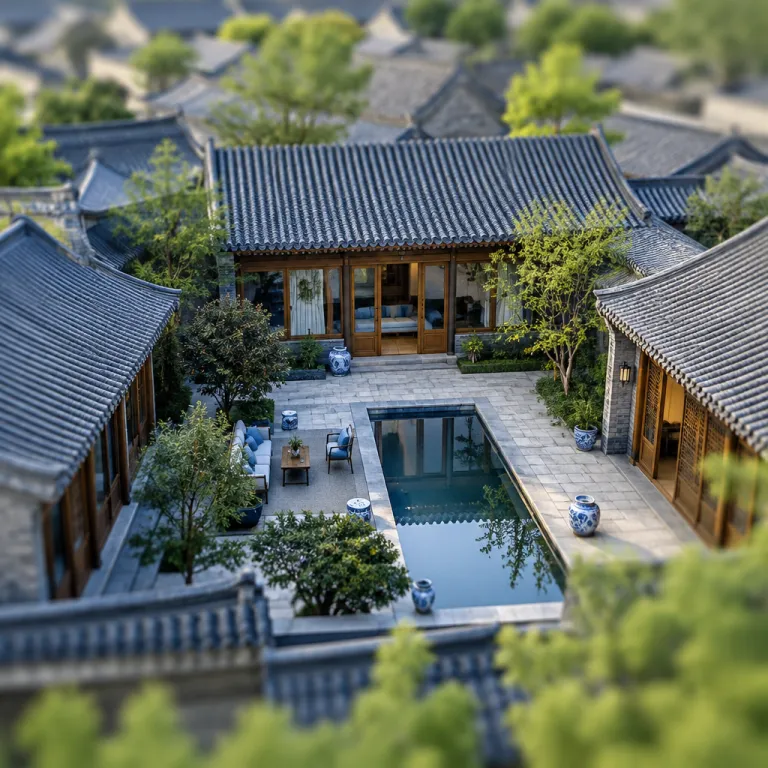
Mandarin Oriental Qianmen Beijing within the city’s luxury landscape
Mandarin Oriental Qianmen Beijing sits in a rare pocket of calm in the capital city. This luxury hotel is part of a new generation of properties in Beijing, China, that place heritage and privacy at the centre of the stay while still offering every modern comfort. For travellers comparing top addresses across the wider district Beijing luxury scene, this remarkable and unique property stands out because it is formed entirely of restored courtyard houses rather than a conventional tower.
The hotel is operated by the Mandarin Oriental Hotel Group, whose global portfolio is known for discreet service and strong oriental design cues. Here in Qianmen Beijing, the group partners with a local developer to manage a remarkable estate that blends traditional hutong architecture with contemporary interiors. That collaboration underpins the investment in craftsmanship you see in every property courtyard, from hand-carved screens to stone paving that echoes the city’s imperial lanes.
Mandarin Oriental Qianmen Beijing is located in the heart of the historic Central Axis, a stretch of Beijing that includes landmarks such as Tiananmen Square and the Forbidden City. The hotel’s address on Caochang Alley places guests inside a living hutong neighbourhood, rather than on a busy ring road or commercial strip. For visitors who want to explore both the major monuments and the quieter backstreets of the Dongcheng District, this location in the heart of the traditional core offers a balance that few other hotels in Beijing, China, can match.
A courtyard hotel shaped by traditional hutong life
The defining feature of Mandarin Oriental Qianmen Beijing is its network of 42 separate courtyard houses. Each residence is arranged around a private courtyard, echoing the siheyuan layout that once dominated every traditional hutong neighbourhood in this part of Beijing, China. Instead of a single lobby and long corridors, you move through intimate alleyways and gateways that recreate the rhythm of everyday life in the old city.
The property’s entrance on Caochang Alley in the Dongcheng District leads into a series of low-rise pavilions, tiled roofs and landscaped courtyards. This alley in Dongcheng means that when you step outside your courtyard house, you are immediately in contact with local residents, small shops and the heart of the traditional urban fabric. For guests used to skyscraper hotels, the feeling of staying in such a unique property can be quietly transformative and unexpectedly personal.
Room sizes at this Mandarin Oriental address start from about 103 square metres and extend to expansive multi-room residences. That generous footprint allows for separate living areas, private gardens and sometimes even small study spaces, which is rare in any district Beijing luxury hotel. If you are comparing options for an extended visit, these dimensions make Mandarin Oriental Qianmen Beijing especially appealing for travellers who value space, privacy and a strong sense of place, alongside other elegant stays such as Jen Beijing by Shangri-La in the capital’s luxury landscape.
Location in Dongcheng District: between Qianmen and the Central Axis
The hotel is in the Dongcheng District, one of the most historically dense parts of Beijing. From Mandarin Oriental Qianmen Beijing, you can walk to Qianmen Street, Tiananmen Square and the southern gates of the Forbidden City in minutes, which makes it ideal for a first or repeat visit to the capital. This proximity to major site access points means you spend less time in traffic and more time exploring Beijing’s remarkable layers of history.
Caochang Alley itself is a narrow lane lined with courtyard houses and small local businesses. Staying on this atmospheric stretch of alley in Dongcheng places you in a hutong neighbourhood that still feels residential, even as it welcomes a growing number of stylish cafés and galleries. For many guests, the contrast between the quiet property courtyard and the lively city outside the gate is one of the most exquisite aspects of the stay.
While Mandarin Oriental Qianmen Beijing anchors the traditional side of your itinerary, you may want to balance it with a stay on the west side at another luxury address. An elegant west-side retreat for discerning guests such as Shangri-La Beijing offers a different perspective on Beijing life, closer to the university district and modern business zones. Combining both hotels in one trip gives you a fuller sense of how the city’s districts, from the Dongcheng District to Haidian, shape daily rhythms and travel experiences.
Dining, bar culture and wellness at Mandarin Oriental Qianmen Beijing
Within the walls of Mandarin Oriental Qianmen Beijing, dining is treated as both a cultural and sensory journey. The signature Cantonese restaurant focuses on seasonal produce and refined techniques that match the hotel’s oriental aesthetic. Guests can expect exquisite presentations that reference traditional banquets while remaining light enough for modern palates and long days of sightseeing in Beijing, China.
The property’s TIAO bar has already attracted attention on regional best-bar lists, a recognition that places it among the most stylish venues in the city. Here, mixologists work with teas, local botanicals and premium spirits to create cocktails that reflect the surrounding hutong neighbourhood and the broader culture of China. For travellers who want to go beyond the usual hotel bar circuit, pairing an evening at TIAO with an off-the-radar jazz and whisky route in the city can be rewarding, and curated guides to this evening circuit provide useful inspiration.
Wellness facilities at this Mandarin Oriental property include a spa, fitness centre and serene tea house. After a day exploring the Dongcheng District or visiting major attractions along the Central Axis, returning to a quiet treatment room or a shaded courtyard can feel restorative. The combination of traditional therapies, contemporary equipment and the calm of the property courtyard reinforces why this hotel is often described as a sanctuary in the historic core of Beijing.
How to book, contact the hotel and plan your visit
When booking Mandarin Oriental Qianmen Beijing, it is worth considering which courtyard houses best match your travel style. Some residences are more secluded, ideal for couples or solo travellers seeking quiet, while others are configured for families who want multiple bedrooms around a shared courtyard. Because the hotel has only 42 such units, availability can be tight during peak visit periods in Beijing, China, so planning ahead is essential.
For direct contact, the Mandarin Oriental Hotel Group manages reservations for this hotel through its central systems and dedicated email channels. The listed address at No. 1, Caochang Alley in the Dongcheng District should be used for any courier or event-related correspondence, especially if you are arranging private functions in spaces such as Mandarin Palace or Zhengyang Mansion. These event venues, set within the same network of courtyard houses, allow you to host gatherings that feel rooted in the traditional hutong fabric rather than in a generic ballroom.
Guests arriving from Beijing Capital International Airport or Daxing International Airport can arrange limousine transfers through the hotel’s concierge team. This service is particularly valuable if it is your first visit to the city, as navigating the hutong neighbourhood streets by taxi can be challenging. Once you arrive, staff will guide you through the Caochang Alley pathways into the property courtyard, a transition that immediately signals you have left the urban rush behind and entered a more intimate side of Beijing life.
Mandarin Oriental Qianmen Beijing among top luxury hotels in the city
Within the broader context of luxury hotels in Beijing, Mandarin Oriental Qianmen Beijing occupies a distinct niche. Many high-end properties cluster around the central business district, while this hotel anchors the cultural heart of the traditional zone near Qianmen and the Central Axis. For travellers who prioritise immersion in history over proximity to office towers, that shift in focus can be decisive.
The hotel’s design, which integrates traditional hutong structures with contemporary interiors, has already attracted international recognition. Awards such as Prix Versailles honours for the world’s most beautiful hotel category highlight how this remarkable property contributes to the architectural narrative of Beijing, China. When combined with accolades like a Forbes Travel Guide Five-Star rating and inclusion on Asia-focused best-bar lists for its bar programme, the case for choosing this Mandarin Oriental address becomes compelling for discerning guests.
For those comparing multiple stays across different district Beijing options, it can be helpful to think in terms of experiences rather than only room categories. A night in a courtyard house at Mandarin Oriental Qianmen Beijing offers direct contact with the hutong neighbourhood and the Dongcheng alley atmosphere, while a stay in a high-rise elsewhere may prioritise skyline views and business facilities. By structuring your itinerary to include both styles, you can appreciate how Beijing’s remarkable diversity of districts, from the Dongcheng District to the west side and beyond, shapes the character of each hotel and the memories you take home.
Key figures and facts about Mandarin Oriental Qianmen Beijing
- Mandarin Oriental Qianmen Beijing comprises 42 individual courtyard residences, a scale that allows for personalised service while still offering the facilities of a full luxury hotel, according to official data shared by the Mandarin Oriental Qianmen Beijing team.
- Room sizes range from approximately 103 to 525 square metres, which is significantly larger than the average luxury hotel room in Beijing and reflects the spatial generosity of traditional courtyard houses.
- The hotel is located on Caochang Alley in the Dongcheng District of Beijing, China, placing it within walking distance of major heritage sites along the city’s Central Axis, including Tiananmen Square and the Forbidden City.
- Facilities at this Mandarin Oriental property include a spa, fitness centre, tea house and multiple dining venues, ensuring that guests can balance cultural exploration in the hutong neighbourhood with wellness and gastronomy on site.
- Nearby landmarks such as the Temple of Heaven and Qianmen Street can be reached quickly by car or on foot, making the hotel a strategic base for both first-time and repeat visit itineraries focused on the historic core of the city.
FAQ about Mandarin Oriental Qianmen Beijing and its hutong setting
How many rooms does Mandarin Oriental Qianmen Beijing have ?
The hotel offers 42 courtyard residences, each designed as an individual unit within the network of courtyard houses. This relatively low key count allows the Mandarin Oriental team to maintain a high staff-to-guest ratio and deliver attentive, personalised service. It also means that advance booking is advisable, especially during major holidays in Beijing, China.
What are the room sizes at this hotel ?
Room sizes at Mandarin Oriental Qianmen Beijing range from about 103 to 525 square metres, depending on the category and configuration. Even the entry-level residences feel more like private homes than standard hotel rooms, thanks to generous living areas and access to a property courtyard. Larger units can accommodate families or small groups who want to share a courtyard house while still enjoying separate bedrooms.
Which landmarks are close to Mandarin Oriental Qianmen Beijing ?
The hotel’s location on Caochang Alley in the Dongcheng District places it close to several of Beijing’s most important heritage sites. Guests can reach the Forbidden City, Qianmen Street, Tiananmen Square and the Temple of Heaven with short walks or brief car rides. This concentration of attractions makes the property an efficient base for a visit focused on the historic heart and traditional core of the city.
What amenities are available on site for guests ?
On-site amenities at Mandarin Oriental Qianmen Beijing include a spa, fitness centre, tea house and multiple restaurants and bars. The TIAO bar, recognised on Asia-focused best-bar lists, offers a stylish setting for cocktails that draw on local ingredients and oriental influences. Combined with tranquil courtyards and attentive service, these facilities ensure that time spent inside the hotel feels as rewarding as time spent exploring the surrounding hutong neighbourhood.
How can I contact the hotel for reservations or special requests ?
Reservations and special requests for Mandarin Oriental Qianmen Beijing are handled directly by the Mandarin Oriental Hotel Group’s reservations team, which can be reached through the official website or dedicated email channels. When you contact the hotel, it is helpful to specify whether you prefer a more secluded courtyard house or one closer to the main facilities, so the team can match you with the most suitable option. For event enquiries, including private dinners or meetings in spaces such as Mandarin Palace, using the full postal address on Caochang Alley in the Dongcheng District ensures accurate correspondence delivery.