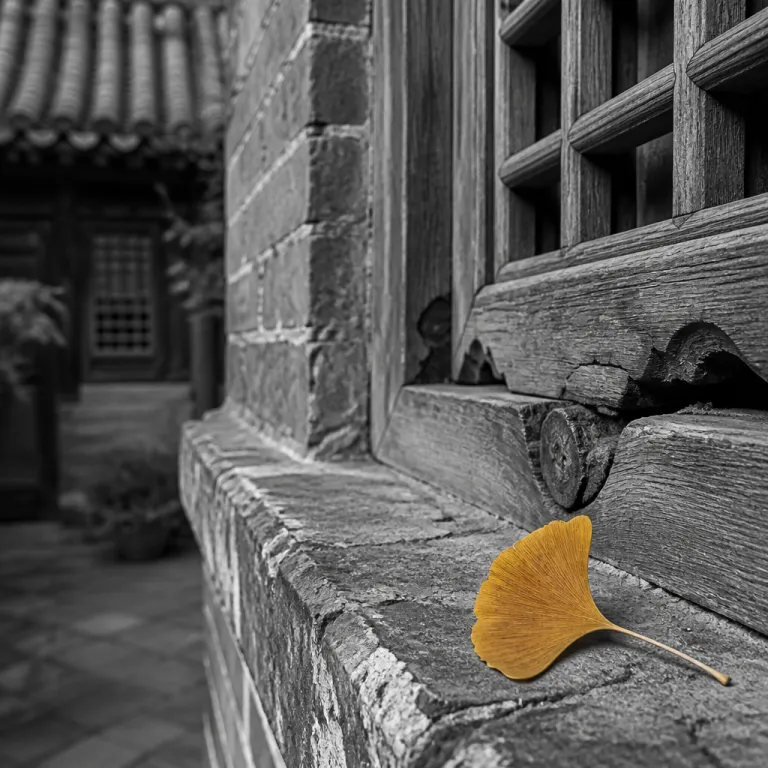
Siheyuan courtyard hotel Beijing luxury: where heritage becomes a stay
In Beijing, some of the most interesting high-end hotel experiences now sit behind grey brick walls in a traditional siheyuan courtyard. These former family compounds turn the idea of a siheyuan courtyard hotel Beijing luxury stay into something intimate, where every room opens to open sky and the rhythm of the hutong replaces the hum of a lobby. For couples used to glass towers, this shift from vertical hotels to horizontal courtyards in Beijing China feels like a quiet but decisive upgrade.
A siheyuan is a traditional Chinese courtyard residence, and when it becomes a siheyuan hotel the architecture dictates the experience. Instead of anonymous rooms stacked above a busy city, you step from your room into a shared courtyard Beijing space, where morning light hits old timber beams and the neighbor’s wok sends up a faint clatter. The best hotels use these constraints as design assets, turning narrow alleys, low roofs and layered courtyards into a sequence of calm, human scale spaces that frame the Forbidden City skyline rather than compete with it.
The revival of the courtyard hotel in Beijing is not nostalgia for its own sake. Local governments, heritage organizations and hospitality brands have spent years restoring siheyuan structures, integrating modern facilities while keeping the original layout intact. The result is a new category of boutique hotel Beijing travelers can book with confidence, where air conditioning, high pressure showers and detailed room descriptions sit comfortably alongside carved lattice windows, stone thresholds and the soft echo of footsteps at night.
From hutong alleys to hidden courtyards: where to stay as a couple
For couples planning a romantic stay, location inside the hutong grid matters as much as the room. Around Shichahai, the Shichahai Shadow Art Performance Hotel on Deshengmen Inner Street turns its siheyuan courtyard into a small theatre, offering regular shadow puppet shows on a traditional stage (recent guests report performances several evenings a week, usually starting around 8 pm; always confirm current times with the hotel). You can check in, drop your bags in one of the compact rooms, then walk a few minutes to the lakes before returning for a night performance that feels more private club than standard hotel entertainment.
Further east, The Orchid on Baochao Hutong has become a reference point for travelers who want a courtyard hotel with a contemporary edge. Its fifteen rooms are all different, so reading room details and guest reviews carefully is essential if you care about terrace access, bathtub placement or how much morning light you want. Typical nightly rates often sit in the mid-range boutique bracket rather than ultra-luxury, and the Mediterranean rooftop restaurant and hidden whiskey bar turn this Beijing sihe address into a full evening program, while the free bicycles make it easy to explore nearby hutongs and reach Tiananmen Square or Wangfujing in under thirty minutes ride.
Graceland Yard, modeled after the historic Zhenjue Temple, leans into zen courtyard aesthetics with stone paths, old trees and a strong sense of harmony between architecture and planting. Couples who value quiet over nightlife will appreciate that this harmony courtyard style property feels like a small temple retreat inside the city, even though it remains a short minutes walk from lively streets. One recent guest review on a major booking platform described returning after a day at the Palace Museum as “like stepping through a gate into a slower century,” which captures the appeal for travelers who want a reset without leaving Beijing.
Mandarin Oriental Qianmen, Park Hyatt Beijing and the new courtyard language
At the top end of the siheyuan courtyard hotel Beijing luxury spectrum, Mandarin Oriental Qianmen shows how a global brand can work with hutong scale. The property occupies a series of restored siheyuan courtyards just south of Tiananmen, with suites arranged around private gardens rather than corridors. Here, the idea of a hotel forbidden to non guests becomes literal at night, when the alleys quieten and only residents and staff move between courtyards under lantern light.
Park Hyatt Beijing, while set in a high rise in the Beijing capital business district, borrows siheyuan principles for its interior design. Public spaces are organized like a sequence of courtyards, with layered thresholds, framed views and a deliberate sense of progression from city to calm, which makes it an interesting counterpoint to a true Beijing siheyuan stay. For travelers who split nights between a hutong courtyard hotel and a CBD tower, Park Hyatt Beijing works as a bridge between two versions of the same city offers.
The surge in demand for these properties is visible in booking patterns, with many siheyuan style hotels reporting consistently high occupancy, especially during holidays and major events, reflecting a wider boom in cultural tourism. According to figures released by Beijing municipal authorities, the city welcomed more than one hundred thousand international visitors over the May Day holiday in 2024, and luxury hotels felt it, with pressure on both courtyard hotel and tower hotel inventory becoming obvious, especially around the Forbidden City and Wangfujing. For couples, this means booking early, reading reviews with care and accepting that the best hotels in this niche will rarely have last minute availability during peak seasons.
Preservation versus comfort: what to expect inside your courtyard room
Staying in a Beijing siheyuan conversion means accepting that preservation and comfort are in constant negotiation. Original timber beams, brickwork and courtyard acoustics create atmosphere, but they also shape how sound travels, how windows open and how air conditioning units can be installed without damaging heritage fabric. The most successful sihe courtyard renovations treat these limits as a design brief, hiding modern facilities in built in cabinetry and using layered screens to keep rooms quiet while maintaining cross ventilation.
Before you book, check room details carefully rather than relying on a single hero image. Some rooms open directly onto the main courtyard, which feels romantic at night but can be less private in the morning when staff set up breakfast or other guests walk past. Other rooms sit in smaller side courtyards, trading immediate access to the social heart of the hotel for more seclusion, which many couples prefer after a long day at the Palace Museum or the Forbidden City.
Modern expectations still apply, and the better courtyard hotels in Beijing China now offer strong Wi Fi, thoughtful service and well maintained bathrooms as standard. Many include free tea and coffee in the room, and some add complimentary evening drinks in the courtyard to encourage guests to linger rather than rush back out into the city. If you are arriving on a late night flight into Beijing Capital International Airport, arrange a transfer through the hotel so you are not navigating hutong alleys with luggage after midnight, when even the most welcoming courtyard Beijing address can feel hard to find.
Seasonality, local life and practical booking tips for siheyuan stays
Courtyard living in Beijing is highly seasonal, and couples should plan around that reality. Summer evenings in a siheyuan hotel mean doors open to the courtyard, cicadas in the trees and a soft breeze moving through the rooms, while winter stays rely on underfloor heating and well sealed windows to keep the cold at bay. When you read reviews, pay attention to comments about temperature control, because air conditioning performance in both summer and shoulder seasons can make or break a stay.
Location relative to landmarks shapes the rhythm of your days. Properties within a short minutes walk of Tiananmen or the Forbidden City make early morning visits to the Palace Museum easier, while those closer to Wangfujing or the art districts suit travelers who want restaurant options and late night energy. If you are design minded, consider pairing your hutong stay with time in the 798 art district and newer warehouse neighborhoods, using a dedicated guide to Beijing’s art districts for design minded travelers to structure your days.
Practicalities matter too, especially for couples who travel with pets or specific needs. Only a small number of courtyard hotels have pets allowed policies, so always check this detail directly with the hotel and not just on an aggregator, and confirm whether pets are allowed in all rooms or only in certain wings. When you compare hotels, look beyond headline images to understand service culture, how staff handle late check out requests, whether breakfast is free or charged separately and how the property communicates about any hotel forbidden areas within the compound that are reserved for residents or private events.
FAQ
What is a siheyuan and how does it shape a hotel stay ?
A siheyuan is a traditional Chinese courtyard residence. In a hotel context, this means rooms arranged around one or several open air courtyards instead of along internal corridors, which creates more direct contact with light, weather and the daily rhythm of the hutong. Guests experience a stronger sense of place than in a standard tower hotel, but also accept some quirks such as shared courtyard acoustics and lower building heights.
Why are siheyuan courtyard hotels in Beijing popular with luxury travelers ?
Siheyuan courtyard hotels in Beijing are popular because they combine cultural heritage with modern comfort. Travelers get access to historic architecture, local neighborhoods and a slower pace of city life, while still enjoying high quality service, contemporary bathrooms and reliable air conditioning. For many couples, this blend of authenticity and comfort feels more luxurious than a generic international chain, especially when the property offers thoughtful extras such as free cultural activities or intimate restaurants.
How should I book a siheyuan courtyard hotel in Beijing ?
You can book a siheyuan courtyard hotel in Beijing through the hotel’s own website or through trusted travel agencies and booking platforms. Because many of these properties are small, with limited rooms and high occupancy, it is wise to reserve well in advance for peak seasons or major holidays. Always read recent reviews carefully, then contact the hotel directly to confirm room details, airport transfer options from Beijing Capital International Airport and any special requests.
What should I check before confirming my courtyard room ?
Before confirming, check the exact room location within the courtyard, the size and layout, and whether windows face inward to the courtyard or outward to a lane. Confirm that air conditioning and heating are available in your travel season, and ask about noise levels at night, especially if the property hosts events or performances. If you are traveling with pets or mobility needs, verify that pets are allowed where relevant and that access routes suit your requirements.
How close are courtyard hotels to major Beijing landmarks ?
Many courtyard hotels sit within a short walk or a brief taxi ride of central landmarks such as Tiananmen Square, the Forbidden City and the Palace Museum. Properties around Shichahai and Qianmen often advertise their distance in minutes walk, which is useful for planning early morning visits before crowds build. When comparing options, look at both the map and guest comments about walking times, as hutong routes can be indirect even when distances seem short.