Beijing eco travel for families who want space, silence, and the city
Beijing eco travel family planning starts with one decision ; choose a base that keeps you close to the city yet connected to nature. In China’s capital, that can mean waking to birdsong in a low rise courtyard while still reaching Tiananmen Square and the Forbidden City by green bus in under half an hour. For parents, this balance turns every Beijing day into a calm launchpad rather than a logistical battle.
The Beijing Municipal Government now treats sustainable tourism as core policy, not a side project, which directly shapes how families move, sleep, and eat in the city. Electric green buses operated by the Beijing Public Transport Corporation link major Beijing attractions such as the Temple of Heaven, the Lama Temple, and the Palace Museum with newer parks and forest trails, so a single ticket can cover both heritage and greenery. This makes beijing travel with children less about traffic jams on the ring roads and more about a low carbon day exploring neighbourhoods where a temple courtyard and a shaded park sit one block apart.
For a beijing eco travel family itinerary, think in corridors rather than isolated sights ; connect the Great Wall of China with the Summer Palace, then back into the city by green bus and shared bicycle. Families can ride a cable car up to a quieter section of the Great Wall, walk a short stretch of the wall in China’s crisp mountain air, then return to a hotel that measures its own emissions and water use. The result is a trip where every great day feels both indulgent and responsible, and where children see that luxury and care for the planet can share the same palace like lobby.
Green corridors: from Xishan forest trails to the Great Wall with kids
The most exciting shift for any beijing eco travel family is the emergence of genuine green corridors that link the city to the hills. West of central Beijing, the Xishan Peak Scenic Forest Trail threads through restored woodland, with six viewing platforms designed for families who want short, manageable walks rather than hardcore hikes. Distances are measured in gentle kilometres, not punishing ascents, so even younger children can enjoy a half day trip without tears.
These forest trails are part of a wider network that now stretches for around 100 km, according to figures released by the Beijing Municipal Government, and they sit alongside older routes such as the 24 Central Green Forest Park Greenway. From certain platforms, you can see the outer ridges that once guarded the wall in China’s north, a reminder that the Great Wall and the Ming Tombs are not abstract icons but part of a living landscape. Families can pair a morning on the Xishan trail with an afternoon in a nearby park, turning a single Beijing day into a layered experience of nature, history, and city life.
When you head out toward the Great Wall, look for sections that combine eco minded management with family friendly infrastructure, such as efficient cable car systems that reduce erosion from heavy foot traffic. A well planned beijing travel route might include visiting the Great Wall in the early morning, then continuing to the Summer Palace by green bus for lakeside paths and shaded pavilions. For parents who want deeper detail on which luxury properties are genuinely aligned with these routes, the analysis in this guide to truly sustainable luxury hotels in Beijing is an essential companion.
Green buses, shared bikes, and why slow transport feels like real luxury
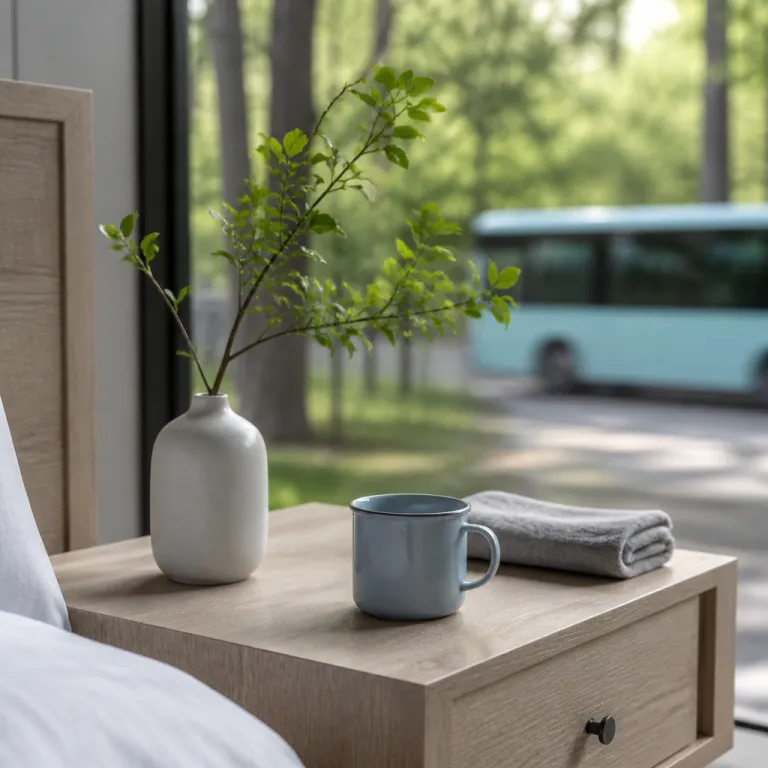
For a beijing eco travel family, the real upgrade is not a bigger SUV but the ability to cross the city quietly, cleanly, and without stress. Beijing now runs around 500 electric green buses on key routes, dramatically cutting emissions while linking top attractions such as Tiananmen Square, the Temple of Heaven, and the Lama Temple. Parents who once dreaded cross town transfers can now treat the bus ride itself as part of the experience, with children watching the city shift from hutong alleys to glass towers through wide windows.
The shared bicycle network adds another layer of freedom, with Mobike and Hellobike stations clustered around major hotels and metro hubs, so older children and teens can join short rides between a palace museum visit and a late afternoon stop in a neighbourhood park. For families, this means a day exploring Beijing can flow from the Forbidden City to a quiet dumpling stall, then along a tree lined canal, all without a single private car. Green transport becomes a form of soft luxury ; you move slowly enough to notice the incense at a small temple, the steam from a Peking duck oven, the way the city’s grey brick walls catch the summer light.
Beijing Public Transport Corporation describes its electric fleet simply and clearly : “Electric buses reducing emissions in the city.” That clarity matters when you are choosing between a private car and a bus for your next beijing day out with children. For more ideas on how to pack lighter, choose lower impact transfers, and still enjoy premium comfort, families should consult this family guide to responsible luxury in Beijing, which aligns transport choices with hotel selection and daily itineraries.
Luxury hotels where nature comes first: what to look for, room by room
Choosing the right hotels is the single most powerful lever for any beijing eco travel family that wants comfort without compromise. Beijing now counts around 50 certified eco friendly hotels, many in districts such as Huairou, Miyun, and Changping, which sit close to the Great Wall, reservoirs, and forest parks. These properties go beyond linen reuse cards, investing in efficient building envelopes, renewable energy, and careful water management that directly benefits both guests and local communities.
When you evaluate a luxury hotel in China’s capital, look for transparent reporting on energy use, waste, and community partnerships rather than vague green slogans. Ask whether the property supports nearby parks or forest trails, whether it offers guided beijing travel experiences that include the Temple of Heaven, the Summer Palace, or lesser known city temples via green buses, and whether it measures the impact of those private tours. A strong property will often have a dedicated sustainability manager who can explain how your stay supports reforestation, trail maintenance, or cultural preservation at sites such as the Ming Tombs or a small guide temple near the Lama Temple.
Inside the room, details matter ; refillable amenities, filtered water stations on each floor, and menus that highlight seasonal Chinese produce all signal a serious approach. Some hotels now curate family friendly itineraries that pair a morning at the Forbidden City and Palace Museum with an afternoon in a nearby park, reached by public transport, then end with a Peking duck dinner in a restaurant that sources responsibly. To see how these standards play out across specific addresses, consult the in depth hotel profiles on stay in beijing, especially the feature on unforgettable things to do in Beijing for a refined city stay at this curated city stay guide.
Designing a low carbon family itinerary: from Forbidden City to temple courtyards
A thoughtful beijing eco travel family itinerary starts with clustering experiences, so you spend more time in courtyards and parks than in traffic. In the historic core, you can pair a morning at the Forbidden City and its Palace Museum with a stroll across Tiananmen Square, then continue by green bus to the Temple of Heaven and its surrounding park, where locals practise tai chi beneath ancient cypress trees. Children move from palace halls to open lawns in minutes, learning that the city’s imperial story is inseparable from its green spaces.
On another Beijing day, families might focus on spiritual sites and neighbourhood life, starting at the Lama Temple with its towering Buddha statue, then walking or cycling to a nearby guide temple that sees far fewer tour groups. From there, a short ride brings you to a hutong district where low walls, narrow alleys, and small courtyards reveal a different side of the city, one where a simple bowl of noodles can rival any palace banquet. This kind of day exploring shows children that beijing attractions are not only the great wall of marketing posters but also the quiet corners where incense smoke curls above a courtyard and neighbours chat over tea.
For an outer city loop, combine visiting the Great Wall with a stop at the Ming Tombs and, in warmer months, a late afternoon visit to the Summer Palace, where the Hall of Prayer for Good Harvests at the Temple of Heaven finds its lakeside counterpart in painted pavilions and willow shaded paths. Many eco minded hotels can arrange private tours that use a mix of green buses, metro, and, where necessary, low emission vehicles, so your wall China excursion remains as low carbon as possible. Over several days, this pattern of clustered visits, smart transport, and carefully chosen hotels turns a simple family trip into a layered experience of Beijing, China as a living, breathing, and increasingly green city.
FAQ
How can a family use Beijing’s green buses for sightseeing ?
Families can rely on Beijing’s electric green buses to reach major beijing attractions such as Tiananmen Square, the Temple of Heaven, and the Lama Temple, often with simple flat fare tickets. Routes are clearly marked in English and Chinese, and many lines connect directly with metro stations and parks, making it easy to combine buses, trains, and short walks. For a beijing eco travel family, this reduces both costs and emissions while keeping access to top attractions straightforward.
Where can we find eco friendly hotels near the Great Wall and forest trails ?
Eco certified hotels are concentrated in outer districts such as Huairou, Miyun, and Changping, which sit close to popular Great Wall sections and forest parks. These hotels often provide shuttles or guidance for visiting the Great Wall, nearby wall China viewpoints, and local parks without relying on private cars. When booking, look for clear sustainability certifications and ask how the property supports nearby trails or communities.
Are there family friendly forest trails within easy reach of the city ?
Yes, Beijing has developed a network of forest greenways, including the Xishan Peak Scenic Forest Trail and the 24 Central Green Forest Park Greenway, which are suitable for families. Sections are designed with gentle gradients, rest areas, and viewing platforms, so children can enjoy a half day trip without long or dangerous climbs. Many trails can be reached by a combination of metro, green bus, and short taxi rides from central hotels.
What are Beijing’s green buses and how sustainable are they ?
Beijing’s green buses are electric vehicles operated by the Beijing Public Transport Corporation on key urban and suburban routes. They significantly reduce local air pollution compared with older diesel fleets and are part of the city’s broader strategy to improve air quality and promote green tourism. For families, choosing these buses over private cars is one of the simplest ways to lower the carbon footprint of each beijing day of travel.
How can we keep our Great Wall visit low impact with children ?
To keep a Great Wall visit low impact, choose sections that manage visitor numbers, use cable car systems to reduce erosion from steep climbs, and follow marked paths only. Combine the wall visit with nearby sites such as the Ming Tombs or a local park, using shared or public transport where possible instead of private cars. Many eco minded hotels and tour operators now design private tours that prioritise green buses and efficient routing, which suits both children’s energy levels and the environment.