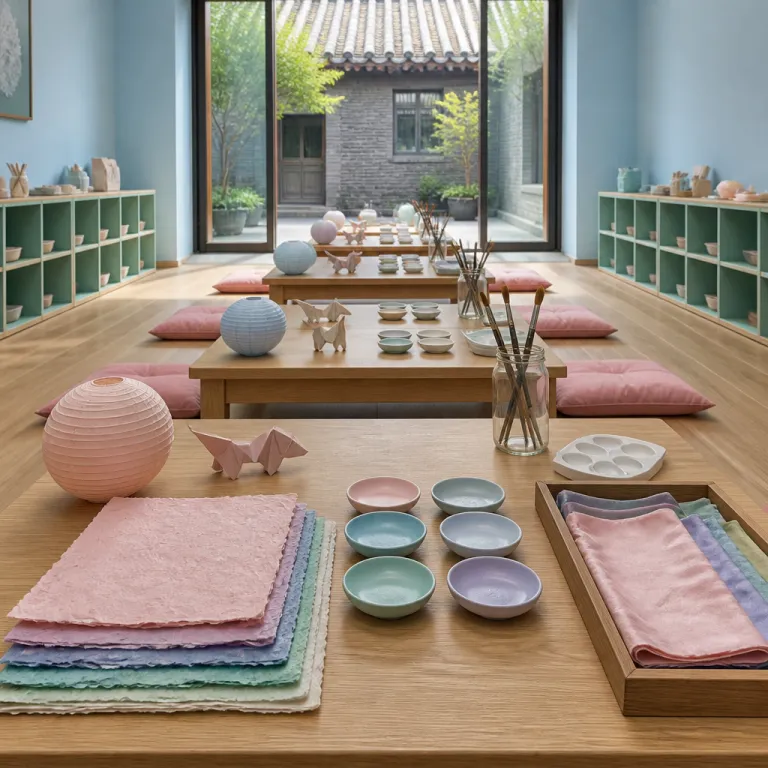
Luxury family craft workshops in Beijing
Why Beijing’s craft workshops belong on a luxury family itinerary
In Beijing, a day devoted to traditional crafts can feel as refined as any tasting menu. Parents booking premium hotels increasingly ask concierges for cultural arts sessions that feel authentic, thoughtfully paced, and genuinely child friendly, rather than another rushed coach tour. For families used to five star service, the real luxury is a quiet afternoon where a child’s hands, not a phone screen, are the main focus.
The city’s intangible cultural heritage ecosystem stretches from enamel cloisonné studios to paper cutting tables and silk painting ateliers. These Chinese crafts are recognised within national cultural protection programmes, yet they remain woven into daily life in more than one district, including Dongcheng and Xicheng, where grey brick alleys still shelter working artisans. For visiting families, that mix of living tradition and urban energy turns a simple workshop into a layered cultural experience that deepens understanding of Beijing beyond palace façades.
Luxury and premium hotels now treat such creative activities as core highlights of a stay, not optional extras. A well curated Beijing craft workshop itinerary might start with a private car transfer, an English speaking guide, and a themed welcome pack for children, including sketchbooks and coloured papers. When these elements pass seamlessly from lobby to studio, the result feels less like a generic tour and more like a tailored chapter in the family’s wider travel story.
From cloisonné to kites: what children actually do in the workshops
Step into Baigongfang in Dongcheng District and the noise of the city drops away. This dedicated craft centre hosts traditional Chinese arts sessions for children throughout the year, with local artisans guiding small groups through hands on activities that range from paper cutting to simple enamel work. The atmosphere is calm but focused, and even younger children quickly sense that these are not souvenir factory demonstrations.
Here, children sit at long wooden tables, learning how to trace auspicious motifs before cutting them into bright red paper. In another room, an enamel master shows how copper wires form delicate outlines on small dishes, turning abstract arts into something a child can hold, paint, and later pack in a suitcase. Dough figurines, silk painting, and kite making are often offered as short themed modules, including seasonal designs that echo the city’s festivals and museum exhibitions.
Parents used to conventional tours often remark how these sessions slow the pace of a packed Beijing day. Instead of racing between national landmarks, families share a quieter experience where a ten year old might spend an hour perfecting a single stroke of calligraphy. One parent described watching her son “forget about his phone for the first time all week” as he layered ink on rice paper. For broader trip planning, pair these craft activities with other insider level highlights outlined in our guide to Beijing experiences worth flying for, so your cultural immersion feels coherent rather than piecemeal.
How luxury hotels curate a beijing traditional crafts family experience
Across Beijing, high end properties now treat craft based cultural activities as seriously as spa menus or wine lists. In the central business district, concierges maintain discreet lists of trusted artisans who can host private or semi private sessions, including English interpreted workshops for families who prefer more guidance. Some hotels even dedicate lounge corners to rotating mini exhibitions of local crafts, turning public spaces into quiet galleries between check in and bedtime.
A thoughtful hotel programme will map the right crafts to the right ages, so a six year old might try simple paper cutting while a teenager attempts more intricate silk painting. Many properties structure these as half day themed itineraries that start in the lobby and pass through one or two nearby studios, with a car and driver smoothing the journey between districts. For parents balancing jet lag, school schedules, and limited travel days, that level of planning transforms a vague wish for cultural understanding into a concrete, bookable experience.
Some wellness focused hotels now weave craft sessions into broader cultural retreats, pairing morning tai chi or tea appreciation with afternoon arts workshops in partnership with centres like Baigongfang. If you are designing a longer stay, consider combining a Beijing family craft experience with the city’s wellness circuit outlined in our feature on tai chi at dawn and traditional Chinese medicine after dark. The result is a multi day arc of activities where children move between movement, making, and quiet reflection, rather than another sequence of hurried photo stops.
What children gain that museums and screens cannot match
Parents often ask whether a Beijing craft workshop is worth sacrificing a palace or temple on a tight itinerary. For most families we see, the answer is yes, because the depth of engagement in these arts sessions far exceeds what children usually absorb from glass cases and audio guides. When a child spends part of a day shaping dough figurines or painting enamel, they internalise Chinese cultural symbols in a way that no slideshow can replicate.
Workshops built around hands on arts also cross language barriers with ease, which matters for younger children who may not follow English commentary on standard tours. Instead of passively watching, they are touching brushes, folding paper, and asking questions through gestures and smiles, while local artisans respond with demonstrations rather than long explanations. That shared focus on making creates a quiet bond between visitor and host, turning cultural understanding into something felt rather than merely observed.
Organisers at Baigongfang describe their mission in the context of Beijing’s changing society, noting a decline in traditional craft knowledge among youth and positioning these activities as an alternative learning path. A programme coordinator explains that workshops are designed for children aged six to twelve, that no prior experience is required because sessions cater to beginners, and that registration can be completed online through Baigongfang’s official website or booking channels. While exact numbers vary by season, the steady flow of families underlines how sustained this interest has become.
Designing customized itineraries around crafts, comfort, and attention spans
For premium families, the art lies in balancing ambition with energy levels when planning a Beijing crafts day. One approach is to anchor each day around a single major cultural activity, such as a two hour paper cutting and calligraphy session, then frame it with lighter highlights like park walks or hotel pool time. This rhythm respects children’s attention spans while still delivering the depth that discerning parents expect from international travel.
Short one hour workshops suit younger children, especially at the start of a trip when jet lag and sensory overload are strongest. Older children and teenagers often thrive in longer themed programmes, including multi day apprenticeships where they return to the same district studio to refine a piece of silk painting or enamel work. In both cases, ask your hotel concierge to arrange private transfers so you can pass smoothly between activities without wrestling with taxis or crowded subway lines.
Practical details matter as much as grand cultural ambitions. Book workshops in advance, check that the venue offers at least basic English support, and dress children in comfortable clothing that can handle paint, glue, and the occasional ink splash. When these logistics are handled with the same care you apply to room selection and restaurant reservations, the crafts based tours you choose become the quiet, enduring exhibitions of your family’s time in Beijing, long after screens have moved on to the next distraction.
FAQ
Which age groups are best suited to Beijing craft workshops for families ?
Most structured programmes in Beijing, including Baigongfang, are designed for children between six and twelve years old. Younger siblings can sometimes join with parental support, but they may need shorter activities and more breaks. Teenagers usually benefit from more advanced arts sessions, such as detailed silk painting or extended enamel work.
Do children need any artistic background before joining these activities ?
No prior artistic training is required for a Beijing family craft experience. Workshops are built around step by step demonstrations, so beginners can follow along while more confident children add their own flourishes. The emphasis is on cultural understanding and process, not on producing museum quality pieces.
How far in advance should I book craft workshops in Beijing ?
For peak travel periods and popular districts near central hotels, aim to reserve at least ten to fourteen days ahead. Private or English guided sessions often have limited capacity, especially when linked to specific exhibitions or festivals. Your hotel concierge can usually secure preferred time slots if you share your family’s ages and interests early.
What should my children wear and bring to a craft focused day ?
Comfortable clothing that can handle paint, glue, and ink is essential, even in luxury settings. Many studios provide aprons, but long sleeves that roll up easily and closed shoes make the experience smoother. A small bag for finished crafts, a water bottle, and a light snack help younger children stay focused during longer sessions.
How do these workshops compare with visiting major museums or national sites ?
Museums and national landmarks in Beijing offer scale and context, while workshops provide tactile, memorable engagement. In a studio, children handle materials, ask questions directly to artisans, and create objects they can take home. The most rewarding itineraries usually combine both, pairing a morning at a key site with an afternoon craft session in the same district.