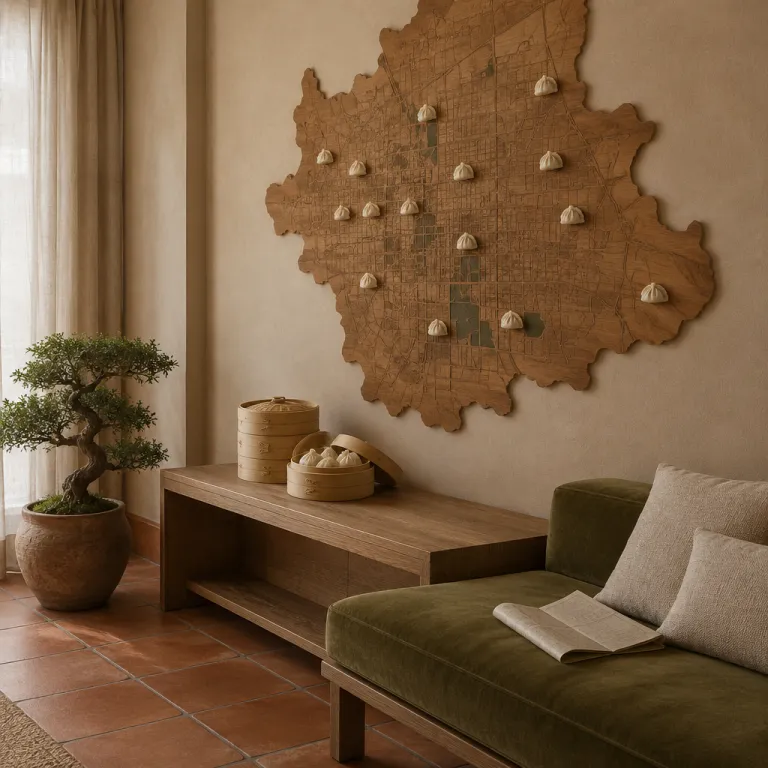
Beijing dumplings guide to neighborhoods and varieties for families
Beijing is a city where dumplings are as defining as palaces. In this family-focused guide to Beijing dumplings, parents discover how daily life in the capital revolves around dough, fillings and steam. The result is a practical map for where to eat, which hotels to book nearby and how to turn every walk between a temple and a park into a tasting route.
Think of the capital of China as a living menu, stretching from the Forbidden City to the Great Wall and from Tiananmen Square to the Summer Palace. Around every palace gate, temple courtyard and city wall remnant, there is at least one popular dumpling shop that locals swear is the best in the neighborhood. For premium travelers, understanding these micro loyalties is as important as choosing the right luxury hotel, because the most memorable steamed dumplings are rarely more than a ten minute stroll from your lobby.
Families planning travel often focus on Peking duck or roast duck, yet dumplings quietly structure breakfast, lunch and late night snacks. This Beijing dumpling overview shows how pork cabbage fillings in Dongcheng, grilled lamb parcels near the mosque and cabbage dumplings beside Kunming Lake each tell a different story about the city. When you match these flavors with well located hotels, you give children a reason to walk one more hutong and parents a reason to book that extra night.
Luxury concierges in the city now curate dumpling routes with the same care once reserved for palace tours. A top hotel near Tiananmen Square might pair a morning visit to the Temple of Heaven with a stop at a family run restaurant for steamed dumpling baskets. In the north, a property overlooking a historic park could arrange a sunset stroll along a surviving city wall segment, ending at a tiny restaurant where steamed dumplings share the table with barbecue Beijing skewers and grilled lamb.
For stay-in-beijing.com, the mission is simple yet demanding. We map where the best dumplings intersect with the best hotels, then test whether the promised experiences work for a premium family with children in tow. That means checking if a restaurant really welcomes kids, if a dumpling shop opens early enough before a palace visit and if a hotel can arrange a hands on steamed dumplings class rather than just recommending a generic restaurant.
From boiled jiaozi to steamed dumplings: taxonomy for the capital
In Beijing, dumplings are not one thing but a spectrum. Any serious guide to Beijing dumplings by neighborhood and style must start with the difference between boiled jiaozi, pan fried guotie and the many shapes of steamed dumpling baskets. Families who understand this taxonomy order better, eat better and avoid the common trap of assuming every dumpling shop serves the same menu.
Boiled jiaozi are the everyday workhorses of the capital, usually filled with pork cabbage, pork and chive or cabbage dumplings with egg and glass noodles. They arrive glossy from the pot, often at a popular restaurant where the only decoration is a calendar and a view of the dumpling maker at work. Pan fried guotie, sometimes translated as potstickers, bring a crisp base and juicy interior that children tend to love, especially when dipped in a mild vinegar sauce rather than the fiercer chili oil favored by regulars.
Steamed dumplings and baozi sit in their own category, rising in bamboo baskets that perfume entire streets. A good steamed dumpling in Beijing is plump but never heavy, with the dough thin enough to show the outline of the pork cabbage or grilled lamb filling inside. When a hotel concierge recommends a place for steamed dumplings, ask whether they specialize in breakfast baozi, all day jiaozi or late night snacks, because each rhythm suits a different stage of family travel.
High end hotels have started to treat dumplings as a lens on the city, not just a room service item. At China World Summit Wing or similar top addresses in the central business district, chefs sometimes reinterpret classic cabbage dumplings as tasting menu bites, while still pointing guests toward a humble dumpling shop for the real thing. Near Wangfujing, the Sunworld Dynasty Hotel Beijing Wangfujing positions families within walking distance of both polished restaurants and tiny counters where a single auntie folds steamed dumplings all afternoon, making it an elegant stay in the heart of the city for food focused travelers.
Even luxury hotel restaurants now respect the neighborhood dumpling hierarchy. A property might serve refined versions of fangzhuanchang zhajiangmian alongside delicate steamed dumplings, yet the concierge will still mark a nearby street restaurant as the best place to eat pork cabbage jiaozi with locals. This honesty is what premium families should look for when choosing hotels, because a city that takes its dumplings seriously deserves a hotel that does the same.
Neighborhoods on the plate: Dongcheng, hutongs and imperial axes
Central Beijing is where imperial geometry meets everyday steam. Between the Forbidden City, Tiananmen Square and the Temple of Heaven, hutong alleys hide some of the most popular dumpling shops in the city, each with its own loyal following and unwritten rules. For families staying in luxury hotels along this axis, dumplings become the most engaging way to move between palace, temple and park without losing younger travelers to fatigue.
Dongcheng, east of the Forbidden City, is a natural starting point for any neighborhood based dumpling exploration. Here, pork cabbage dumplings dominate, often served in small restaurants where the menu is handwritten and the only English word is “beer”, yet staff will still smile at children and show them how to dip correctly. After a morning exploring the palace courtyards or walking the moat, parents can promise steamed dumplings at a nearby restaurant as a reward, turning history into a game of “one more hall, then one more basket”.
South of Tiananmen Square, the Temple of Heaven area offers a different rhythm. Around the temple park, where locals practice tai chi at dawn, you will find breakfast focused dumpling shops serving steamed dumpling trays alongside soy milk and fried dough sticks. Families staying near this part of the city should plan an early temple visit, then eat at a popular restaurant where cabbage dumplings and fangzhuanchang zhajiangmian share the table, giving children both familiar textures and new flavors.
For travelers who want a structured cultural route, pairing key sights with specific dumpling stops works beautifully. One refined itinerary, detailed in the essential Beijing things to visit guide on stay-in-beijing.com, links the Forbidden City, Jingshan Park and Beihai Park with three contrasting dumpling experiences, from a no frills dumpling shop to a polished hotel restaurant. This approach respects both the imperial scale of the city wall remnants and the intimate scale of a single bamboo basket of steamed dumplings.
Premium families should pay attention to how hotels frame these food walks. A top hotel that offers a private guide who knows both palace history and the best nearby restaurant for pork cabbage jiaozi is worth more than one that only arranges generic city tours. When a concierge can explain why one dumpling shop near the Forbidden City is better for grilled lamb skewers while another excels at cabbage dumplings, you know the property understands Beijing as more than a backdrop.
From Muslim Quarter lamb to Dongbei comfort: regional flavors in the capital
Beijing is a magnet for regional cuisines from across China, and dumplings are the most family friendly way to taste that diversity. A thoughtful dumpling guide for the capital must move beyond pork cabbage to include lamb, beef and vegetable fillings that reflect migration patterns as much as recipes. For premium travelers, this means you can eat your way across the country without leaving the city.
Near the historic Niujie Mosque and in the broader Muslim Quarter, dumpling shops lean toward halal fillings. Here, grilled lamb and beef dumplings replace pork, often seasoned with cumin and onion, then served alongside barbecue Beijing skewers that older children tend to adore. Families staying in hotels on the western side of the city can ask concierges to arrange a late afternoon walk that combines a visit to a historic temple or city wall remnant with an early dinner at a popular restaurant specializing in these lamb rich steamed dumplings.
Dongbei, or northeast China, has also left a strong imprint on the capital. Many Dongbei run restaurants in Beijing serve hearty steamed dumpling platters with thicker skins, generous pork cabbage fillings and side dishes like fangzhuanchang zhajiangmian, which pairs chewy noodles with a rich soybean paste sauce. These venues are ideal for families, because portions are large, prices are gentle compared with hotel restaurants and staff are used to groups sharing many plates at once.
Luxury properties have begun to recognize that regional dumpling diversity is a selling point. Some top hotels now feature rotating dumpling menus that highlight a different province each month, while still directing guests to neighborhood restaurants for the most authentic experiences. When reading reviews on stay-in-beijing.com, look for mentions of concierges who can secure tables at small regional restaurants, not just at the main hotel restaurant, because that signals a deeper engagement with the city food scene.
Even classic imperial experiences now weave in regional dumplings. A family might spend the morning at the Summer Palace, cruising Kunming Lake and walking through the palace gardens, then return to a central hotel where the chef prepares a tasting of steamed dumplings inspired by different parts of China. This kind of programming turns a standard palace visit into a full day narrative, linking the grandeur of marble bridges with the comfort of a perfectly folded cabbage dumpling.
Hotels, hands-on workshops and a family dumpling route across Beijing
For premium families, the most memorable dumpling experiences are often the most tactile. A thoughtful Beijing dumplings guide for visitors therefore includes not only where to eat, but where to fold, pinch and steam alongside local cooks. Many top hotels in the city now act as gateways to these workshops, using their concierges as matchmakers between guests and hutong kitchens.
Several luxury properties partner with small cooking schools hidden in traditional courtyards. A family might leave their hotel after breakfast, walk past a temple or along a quiet park, then arrive at a courtyard where a grandmother teaches them to roll dough and fill pork cabbage dumplings, while a younger relative translates and keeps children engaged. These classes usually end with everyone eating their own steamed dumplings, often accompanied by simple sides like fangzhuanchang zhajiangmian or a plate of grilled lamb skewers that introduce a gentle spice.
Hotels with strong food and beverage teams also stage in house dumpling sessions. At Aman Summer Palace, for example, guests can sometimes arrange private classes that connect directly to the neighboring Summer Palace grounds and Kunming Lake, creating a seamless day that moves from palace corridors to bamboo baskets. In the central business district, restaurants such as Country Kitchen at Rosewood Beijing elevate comfort dishes like cabbage dumplings and barbecue Beijing skewers into polished yet relaxed meals, ideal for families who want hotel level service without losing the soul of the city.
As the capital’s luxury scene evolves, properties are rethinking how food anchors their identity. The closure of Fairmont Beijing for a full renovation, widely reported as part of a broader luxury reset, shows how hotels are repositioning themselves around more local, less generic experiences. For dumpling loving families, this means future openings and reopenings are likely to feature stronger links between hotel restaurants, neighborhood dumpling shops and curated routes that pass by the Forbidden City, Temple of Heaven and other landmarks.
A simple half day family route might start with an early walk on a quieter stretch of the Great Wall, continue with a late lunch of steamed dumplings and pork cabbage jiaozi at a village restaurant, then return to the city for an evening Peking duck or roast duck feast. Another option keeps everything within the center, linking Tiananmen Square, the Forbidden City and Jingshan Park with three dumpling stops that move from humble to refined. In both cases, the right hotel turns logistics into pleasure, using its knowledge of popular restaurants and hidden dumpling shops to ensure every step between palace and park tastes like the best of Beijing.
FAQ
Where should a family stay in Beijing for easy access to great dumplings ?
Families who want quick access to excellent dumplings should focus on central districts such as Dongcheng and the areas around Wangfujing and the Forbidden City. These neighborhoods combine well located hotels with dense clusters of popular restaurants and small dumpling shops, many within a ten minute walk of major sights. Staying central also reduces travel time between palace visits, park walks and evening meals, which matters when children tire easily.
Are hotel dumpling restaurants in Beijing as good as neighborhood shops ?
High end hotel restaurants in Beijing often serve technically excellent dumplings, with refined fillings and careful presentation. Neighborhood dumpling shops, however, usually offer more atmosphere, lower prices and a stronger sense of local daily life, which many families find more memorable. The best strategy is to use hotel restaurants for convenience on arrival days, then follow concierge recommendations to nearby shops once everyone has adjusted.
Can luxury hotels in Beijing arrange dumpling making classes for children ?
Many top hotels in the city now arrange dumpling making classes either in house or through trusted hutong cooking schools. These sessions are usually hands on, with children encouraged to roll dough, fill pork cabbage dumplings and shape simple steamed dumplings under patient guidance. Families should contact the concierge before arrival to secure a time slot, especially during peak travel periods.
How do dumpling fillings vary between Beijing neighborhoods ?
Central districts such as Dongcheng and Xicheng lean toward classic pork cabbage and pork and chive fillings, reflecting long standing northern traditions. Areas with stronger Muslim influence, such as the Niujie neighborhood, favor lamb and beef dumplings seasoned with cumin, often served alongside barbecue Beijing skewers. In many newer districts, you will also find restaurants run by migrants from Dongbei and other regions, bringing heartier skins and bolder flavors to the city.
Is it easy to combine sightseeing at the Forbidden City or Summer Palace with dumpling stops ?
It is very straightforward to pair major sights with excellent dumpling meals, especially if you plan routes in advance. Around the Forbidden City, Tiananmen Square and the Temple of Heaven, numerous small restaurants and dumpling shops sit within a short walk of park gates and palace entrances. Near the Summer Palace and Kunming Lake, options are slightly more spread out, so asking your hotel concierge for a specific address is the most reliable approach.