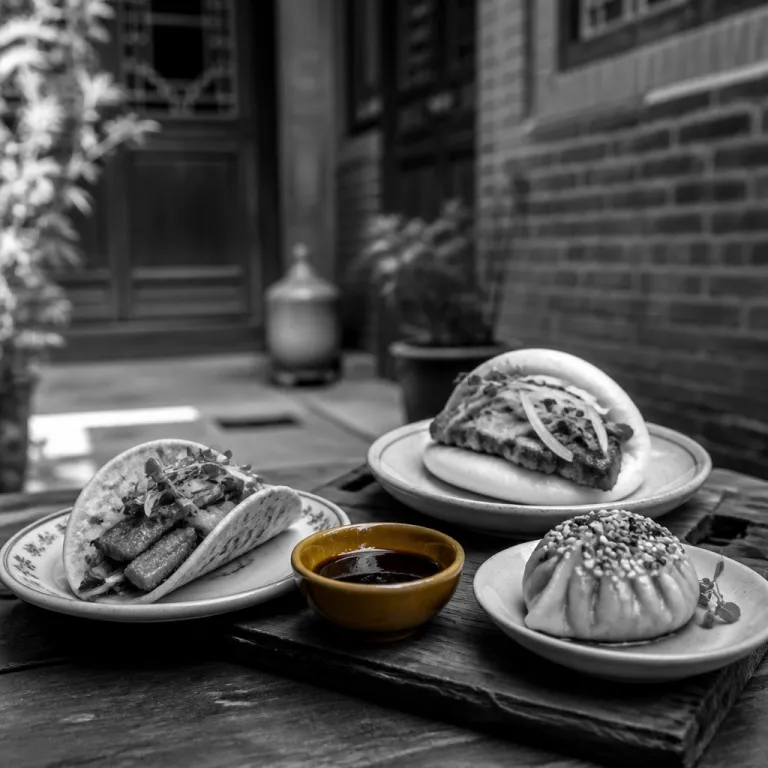
Why hutong fusion kitchens matter for luxury travelers
Beijing hutong fusion restaurants have quietly become the city’s most compelling tables. In narrow lanes once known mainly for mahjong and bicycle bells, a new generation of chefs is turning traditional Beijing food into intimate fine dining that feels both experimental and deeply rooted. For couples planning a premium hotel stay in Beijing city, these restaurants are now as essential as a visit to the Forbidden City.
The shift is radical for Chinese cuisine in the capital, where large restaurants Beijing once prided themselves on menus of 80 to 150 dishes and banquet style dining. The new hutong fusion movement works with just 20 to 40 plates, treating constraint as a creative discipline and using sub regional identity as a brand promise, so every fusion restaurant in a hutong Beijing lane feels distinct rather than interchangeable. This focus pairs naturally with luxury hotels, whose concierges now curate beijing hutong fusion restaurants alongside Michelin star addresses in the central business district Beijing.
For travelers, the appeal is twofold. You taste Beijing food that respects traditional Beijing techniques while folding in French or Japanese precision, and you do it in courtyards that feel like private homes rather than anonymous city dining rooms. Many couples now choose a hotel in the Dongcheng District or near Wangfujing street specifically to be within a short ride of these restaurants, planning lunch dinner sequences that move from a hutong cafe to a hidden bar and then back to a serene suite with a wide Beijing view.
From temple courtyards to grey brick lanes: where to eat between eras
Start with TRB Hutong, the restaurant that proved hutong fusion could sit comfortably beside any Michelin listing in China. Set in a 600 year old temple complex, TRB Hutong offers contemporary French leaning fine dining that still nods to Beijing food history through ingredients, pacing and a reverent sense of space. Couples staying in a central hotel often pair an early walk along the Forbidden City moat with a long lunch dinner here, timing their reservation to catch the late afternoon light over the courtyard for the most atmospheric Beijing view.
In nearby lanes of the Dongcheng District, Suzuki Kitchen shows another side of beijing hutong fusion restaurants, with Japanese fusion plates served in a compact, design forward space that doubles as a cultural hub. Here, the menu might move from a riff on Peking duck to sashimi dressed with fermented Beijing food condiments, illustrating how fusion restaurants Beijing wide are using local pantry staples as anchors rather than gimmicks. The room feels more like a creative studio than a traditional restaurant, which appeals to couples who split their time between art galleries, hidden bars and carefully chosen dining rooms.
For travelers who want context with their meal, The Hutong cultural center hosts food events that blend global cuisines with Chinese cuisine techniques in a relaxed rooftop setting. Their programming helps explain why beijing hutong fusion restaurants have become laboratories for chefs who care as much about preserving hutong culture as about chasing a Michelin star or a viral social media moment. If you are planning a culinary focused stay, pair one of these events with a detailed city eating guide such as this overview of eating your way through Beijing, which helps you balance hutong fusion with classic food Beijing institutions.
How luxury hotels curate hutong fusion experiences
For couples booking luxury or premium hotels, the most valuable amenity in Beijing city is no longer just a skyline view or a marble bathroom. It is a concierge team that understands beijing hutong fusion restaurants by name, chef and street corner, and can secure reservations at small dining rooms that rarely answer phone calls from overseas numbers. High end properties in the Dongcheng District and near Wangfujing now maintain internal lists of fusion restaurant partners, updated as quickly as chefs move between kitchens or change opening hours.
These hotels act as translators between guests and the hutong, where many restaurants Beijing wide operate on WeChat only booking systems and mark their doors with nothing more than a red lantern. A good concierge will send you a pin for the exact hutong Beijing alley, advise on the best route from your hotel bar or lobby, and sometimes even arrange a car that waits discreetly on a nearby street to preserve your sense of privacy and ease. For couples who value discretion, this service matters as much as any spa treatment or late checkout.
Some premium booking platforms go further, integrating curated lists of beijing hutong fusion restaurants into their hotel selection tools so you can filter properties by proximity to specific dining scenes. When you use a specialist guide to elevating culinary experiences through luxury and premium hotel booking websites in Beijing, you are effectively choosing a hotel that treats food as a core part of its identity rather than an afterthought. This alignment means your stay can flow from a quiet afternoon in a courtyard cafe to a reservation only hutong fusion dinner without logistical stress or guesswork.
Practical logistics: reservations, wayfinding and visa free spontaneity
Beijing hutong fusion restaurants are intimate by design, which makes planning essential for visiting couples. Most dining rooms seat fewer than 30 guests, and many run a single lunch dinner service with tightly controlled opening hours that change seasonally or even monthly. Reservations are usually mandatory, and the most sought after fusion restaurants Beijing offers may require booking several weeks in advance, especially around major Chinese holidays.
Wayfinding is part of the experience but can be challenging if you are new to the city. A restaurant may list a Dongcheng District address, yet the actual entrance sits halfway down a narrow street with no English signage, behind a plain door that looks like a private home rather than a commercial space. This is where your hotel and its concierge earn their keep, sending you annotated maps, photos of the doorway and even short notes in Chinese to show to taxi drivers or ride hailing drivers.
Recent expansions of China’s visa free transit policies have also changed how international travelers engage with beijing hutong fusion restaurants. With more visitors entering Beijing city on short notice, same day reservations and walk in requests have increased, especially from couples staying near Wangfujing who decide on a spontaneous night in hutong Beijing after a day of sightseeing. To navigate this, treat your must visit fusion restaurant bookings as you would tickets to a major cultural performance, then leave one evening open for a more flexible stroll between a casual cafe, a wine focused bar and a less formal hutong fusion spot that accepts last minute guests.
What to order: reading micro menus like a local
Once you are seated, the menu at beijing hutong fusion restaurants will likely feel concise compared with traditional Chinese restaurants Beijing travelers may know from previous trips. Instead of pages of options, you might see a fixed tasting sequence or a short à la carte list where every dish has a clear narrative linking Beijing food traditions with French, Japanese or broader global techniques. This micro menu format invites you to trust the chef, which can be liberating for couples used to over ordering in large Chinese cuisine banquets.
Look for plates that reinterpret classics rather than simply importing Western ideas into a Beijing context. A signature Peking duck course might arrive as a single, perfectly crisp slice paired with a French style jus and a side of seasonal vegetables sourced from local farmers, while another dish could rework traditional Beijing noodles with a Japanese broth and precise knife work. In many fusion restaurant kitchens, plant based dishes now stand alongside meat focused plates, reflecting a broader move toward sustainability and thoughtful sourcing in food Beijing circles.
Drinks matter too, and the best restaurants Beijing offers in this genre treat their bar programs as extensions of the kitchen. You might start with a cocktail built around baijiu and citrus, move to a natural wine chosen to echo the smokiness of hutong street grills, then finish with tea served in the quiet of a courtyard under the night sky. Before you leave, check the restaurant’s privacy policy and contact details so you can follow future menu changes, and ask staff for recommendations on nearby cafe options or late night spots with a relaxed Beijing view to extend the evening.
FAQ
What is a hutong and why does it matter for dining ?
A hutong is a narrow alley lined with traditional courtyard residences that form the historic fabric of Beijing. Many beijing hutong fusion restaurants operate inside these courtyards, which means you dine within the same grey brick walls that once housed families and small workshops. The setting adds intimacy and a sense of continuity between traditional Beijing life and contemporary fine dining.
Are reservations required for hutong fusion restaurants ?
Are reservations required for hutong fusion restaurants? Yes, especially for popular venues. With small dining rooms, limited opening hours and growing interest from both locals and visitors, most restaurants Beijing offers in this category cannot accommodate many walk ins.
Do hutong fusion kitchens accommodate dietary restrictions ?
Do these restaurants accommodate dietary restrictions? Many offer options; inquire in advance. When booking through your hotel or directly via WeChat, specify allergies or preferences so the chef can adjust the tasting sequence or suggest alternative dishes.
How should I choose a hotel if I want easy access to hutong dining ?
If hutong fusion is a priority, look for a hotel in or near the Dongcheng District, Wangfujing or other central areas with quick access to historic lanes. Check whether the property’s concierge regularly books beijing hutong fusion restaurants and can assist with wayfinding in hutong Beijing alleys. Reading a hotel’s culinary focus and privacy policy can also signal how seriously it treats food centric stays.
What is the dress code for beijing hutong fusion restaurants ?
Most beijing hutong fusion restaurants follow a smart casual dress code that aligns with their fine dining ambitions but respects the relaxed hutong setting. Couples typically wear polished yet comfortable outfits suitable for walking along uneven street surfaces and sitting in courtyard spaces. When in doubt, ask your hotel concierge to confirm expectations for a specific restaurant.