The new chinoiserie: from dragon motifs to material stories
Walk into a leading luxury hotel in Beijing China today and the first impression is quieter, more architectural. Instead of heavy carpets and dragon screens, the hotel interior often opens with grey brick, pale timber and a hotel lobby that feels closer to an art studio than a throne room. This shift defines the beijing hotel interior design modern chinese movement that now shapes how business and leisure guests experience the city.
For years, many hotels in China leaned on predictable symbols of imperial power, using lacquer red, gold leaf and oversized images of calligraphy as shorthand for heritage. The new generation of interiors treats Chinese culture as a living design language, where every room and every corridor is edited with the restraint of a modern house in an old hutong. You see it in the way a luxury hotel frames a single ink painting against a concrete wall, or how a hotel room uses sliding rice paper panels to separate the living room from the sleeping area.
Beijing’s most interesting modern hotel projects now start with architecture rather than ornament, asking how a building can echo the rhythm of a siheyuan courtyard while still meeting the needs of a global business traveler. Designers talk about beijing hotel interior design modern chinese as a balance between Asian craft and international comfort, where the best interior solutions are almost invisible. For guests comparing hotels in Beijing China, this means that photos and professional images rarely tell the full story, so you need to read between the lines of the interior design narrative.
Courtyards, grey brick and light: siheyuan thinking in high rise hotels
The most distinctive thread in beijing hotel interior design modern chinese is the way siheyuan courtyards have migrated into vertical architecture. Instead of one central yard, a modern hotel might carve out stacked atriums, pocket gardens and double height hotel lobby spaces that act as social courtyards. These interiors feel both urban and calm, giving business guests a mental reset between meetings.
Grey brick, once associated with low rise houses in old hutongs, now appears as a refined interior material in luxury hotels, wrapping lift lobbies, framing a dining room or grounding a hotel room headboard wall. When you walk the corridors of a strong luxury hotel in Beijing China, the rhythm of brick, timber and shadow often feels closer to a contemporary art gallery than to a themed Chinese hotel from the past. This is where interior designers in Beijing are most confident, using architecture and light rather than themed décor to signal place.
Natural light has become the new status symbol, more coveted than marble or crystal in many hotels in China. A well planned room hotel layout will place the working desk directly by the window, with views over a courtyard void or the city skyline, while the living room zone sits slightly recessed for privacy. When you study photos and images on a booking site, look for these voids and cut outs in the building section, because they reveal how deeply the hotel interior design team has absorbed the siheyuan principle.
Materials over motifs: bamboo, terrazzo and paper as quiet luxury
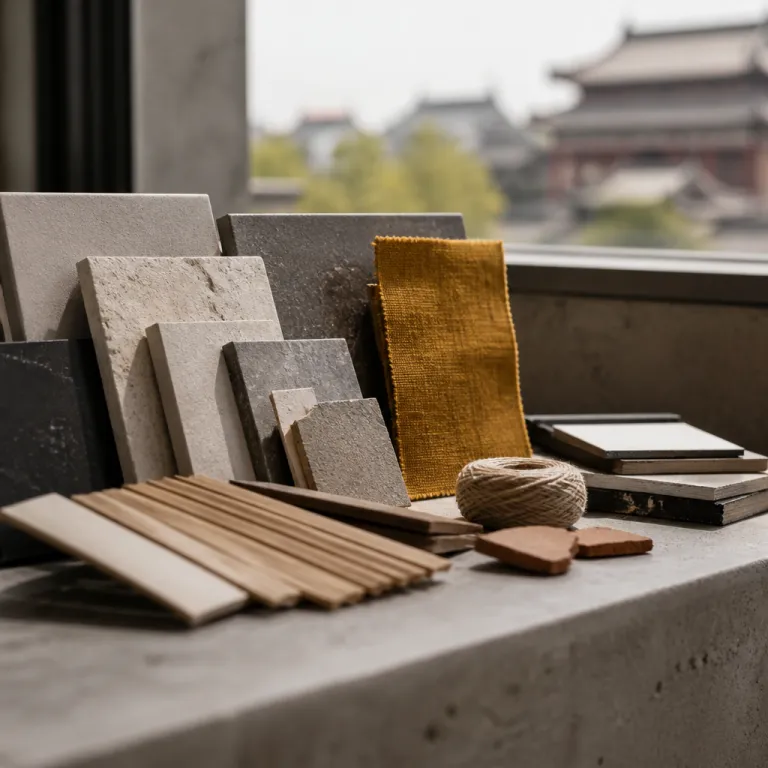
In the current wave of beijing hotel interior design modern chinese, materials carry the cultural story more than overt symbols. Bamboo, terrazzo, hand forged iron, rice paper and raw timber now replace the glossy marble and crystal that once defined many a luxury hotel lobby in China East Asia. This palette feels tactile and human, which matters when you are arriving from a long haul business flight and want a room that calms rather than dazzles.
Look closely at the interiors of leading hotels in Beijing China and you will notice how often a single material runs from the hotel lobby into the dining room and up into the hotel room corridors. That continuity is deliberate, turning the building into a coherent piece of architecture rather than a collection of themed spaces. In a well resolved modern hotel, the same oak that frames the entrance might reappear as a living room bench, a studio style desk and a headboard detail, creating a subtle rhythm you feel more than see.
For travelers comparing hotels in China, this material language is a useful filter when scrolling through photos and marketing images. Spaces that rely on surface pattern and bright color usually age faster than those built around honest materials and good interior design. When you find a Chinese hotel where the stone, timber and paper feel timeless, you are usually looking at a property where interior designers have planned for both business guests and long term relevance.
What business travelers really notice: work, light and acoustic privacy
Executives extending a business trip into leisure rarely choose a hotel in Beijing China for its lobby sculpture alone. They choose it because the hotel room works as both a studio and a sanctuary, with lighting, acoustics and layout that reflect a serious interior design philosophy. This is where beijing hotel interior design modern chinese thinking becomes very practical.
In the best luxury hotels, the working area is integrated into the living room zone, not squeezed against a wall as an afterthought. A generous desk, an ergonomic chair and layered lighting allow you to move from video calls to late night emails without feeling like you are in a generic hotel China chain. Acoustic privacy matters just as much, so pay attention to reviews that mention corridor noise, because even the most beautiful interiors and architecture cannot compensate for poor sound insulation.
Well considered hotel interior design also shows up in the bathroom and wardrobe planning, especially for guests who arrive for a conference and then stay on for wellness or cultural days. A walk in wardrobe that opens both to the entry and the bathroom, or a sliding panel that turns the bath into part of the living room, signals a modern hotel mindset. If you are planning to balance meetings with tai chi or spa time, look for properties that integrate wellness into their spatial planning and explore insider guides such as the tai chi and traditional medicine circuit on Stay in Beijing, which pairs specific hotels with local experiences.
From Opposite House to Mandarin Oriental: case studies in new chinoiserie
Some of the clearest expressions of beijing hotel interior design modern chinese can be seen in named properties that have become reference points for designers across Asia. The Opposite House in Sanlitun, for example, uses a simple timber grid and a courtyard inspired atrium to create a calm, almost monastic hotel interior in the middle of a busy business and nightlife district. Its rooms read like modern houses in the sky, with generous living room zones, minimal decoration and a focus on light and proportion.
Mandarin Oriental properties in Beijing and Hong Kong approach the same Chinese design heritage with a slightly different lens, layering refined materials and art pieces over a disciplined architectural framework. You will notice how their hotel lobby spaces often feel like contemporary salons, where curated photos, abstract images and sculptural objects replace the obvious dragon and phoenix motifs of older luxury hotels. This is new chinoiserie in practice, where the Chinese story is told through craft, texture and proportion rather than literal symbols.
When you compare these hotels in China with peers in Tokyo or Singapore, the differences are instructive for design focused travelers. Tokyo’s leading properties lean into extreme minimalism, while Singapore’s modern hotel scene often blends tropical greenery with glass and steel architecture. Beijing China sits somewhere between, using grey brick, timber and filtered light to create interiors that feel rooted in place, and these ideas are now influencing hotel China projects far beyond the capital.
How to read photos, plans and details when booking online
Most travelers will meet beijing hotel interior design modern chinese first through a screen, scrolling past photos on a booking platform between meetings. To make a confident choice, you need to read those images like an interior designer, not just a guest. Start with the overall architecture of the room hotel layout, then zoom into the details that reveal how seriously the property takes design.
Look at the first three photos a hotel chooses to present its interiors, because they usually show the lobby, a standard hotel room and a signature dining room. Ask yourself whether the living room area in the images feels generous enough to work and relax, and whether the hotel lobby looks like a place you would happily meet a client. If every photo is a close up of cushions and cocktails, the underlying building and interior design may be less resolved than the marketing suggests.
Pay attention to how many different materials and colors appear in a single view, because restraint is often a sign of the best interior thinking. A strong Chinese hotel will typically limit itself to a few key materials, repeating them across public spaces and rooms to create a calm visual field. When in doubt, download best resolution photos from the official site if available, so you can zoom into junctions, edges and lighting details that reveal the true quality of the interiors and the seriousness of the interior designers behind them.
Beijing versus Hong Kong and beyond: regional contrasts for design led stays
Choosing between a stay in Beijing China and a stay in Hong Kong often comes down to what kind of urban story you want your hotel to tell. Beijing’s beijing hotel interior design modern chinese movement is anchored in courtyards, grey brick and a slower, more contemplative architecture. Hong Kong’s leading luxury hotels, by contrast, tend to frame the city as a vertical harbour metropolis, with glass, metal and water reflections playing a larger role in the hotel interior.
In Beijing, even high rise hotels borrow from the logic of low rise houses, using voids, terraces and layered screens to create a sense of enclosure within the building. That is why you will often find a quiet internal garden, a double height tea lounge or a dining room that opens to a planted terrace, even in dense business districts. In Hong Kong, the drama usually comes from the view itself, so interior design often steps back, allowing the harbour or skyline to act as the main artwork.
For travelers who care about architecture and interiors, this regional contrast can guide where to schedule key parts of a trip. If you want to feel the weight of Chinese history translated into modern hotel form, Beijing is the stronger choice, especially in properties that engage deeply with siheyuan principles and new chinoiserie. If your priority is a fast paced business environment with instant access to finance and trade hubs, a hotel China stay in Hong Kong may serve you better, with design that supports efficiency more than reflection.
Key figures shaping Beijing’s luxury hotel and design landscape
- In Beijing, luxury hotels account for a significant share of new interior design investments in China’s hospitality sector, reflecting a broader shift from new building construction to renovation and repositioning of existing assets (industry reports from major consultancies highlight this trend across first tier cities).
- Leading global hotel groups report that business travelers now represent a substantial portion of guests extending stays for leisure in Beijing, which directly influences how hotel room layouts, living room zones and workspaces are planned in modern hotel projects.
- Design surveys across Asia indicate that a growing percentage of new luxury hotel interiors in Beijing China now prioritize local materials such as timber, brick and paper over imported marble, aligning with the beijing hotel interior design modern chinese emphasis on authenticity.
- Comparative studies of hotels in Beijing and Hong Kong show that Beijing properties are more likely to integrate courtyard inspired voids and internal gardens into their architecture, while Hong Kong hotels invest more heavily in view driven glass façades and harbour facing rooms.
FAQ
How is new chinoiserie different from traditional Chinese themed hotel design ?
New chinoiserie in Beijing focuses on materials, light and proportion rather than obvious motifs such as dragons, lanterns and heavy red and gold palettes. In practice, this means hotel interiors that use grey brick, timber, paper and crafted metal to suggest Chinese heritage in a subtle way. Guests experience a calm, contemporary atmosphere that still feels rooted in Beijing China, without the clichés of older themed properties.
What should business travelers look for in a Beijing luxury hotel room layout ?
Business travelers should prioritize hotel rooms where the workspace is integrated into a generous living room zone with natural light and good acoustic separation from the corridor. A well designed room hotel will offer layered lighting, a comfortable desk chair and enough surface area for both laptops and documents. Walk in wardrobes, flexible partitions and thoughtful bathroom access also signal a serious approach to interior design.
Are siheyuan inspired hotels only found in low rise courtyard properties ?
Siheyuan principles now influence both low rise courtyard conversions and high rise luxury hotels in Beijing China. In towers, architects translate the courtyard idea into atriums, internal gardens and double height lounges that act as vertical courtyards. The key is the sense of enclosure, layered thresholds and controlled light, not the literal presence of a ground level courtyard.
How do Beijing’s hotel interiors compare with those in Tokyo and Singapore ?
Beijing’s leading luxury hotels tend to blend modern architecture with Chinese material culture, using brick, timber and paper to create grounded interiors. Tokyo’s top properties often push minimalism further, with ultra clean lines and very restrained palettes, while Singapore’s modern hotels lean into tropical modernism with greenery, stone and glass. For design focused travelers, Beijing offers the most direct engagement with Chinese history translated into contemporary hotel interior design.
How can I evaluate hotel design quality when booking online ?
When booking online, look beyond styled photos and focus on room layouts, material consistency and how public spaces connect to guest rooms. Check whether the same core materials appear in the lobby, corridors and rooms, which usually indicates a coherent design concept. Reviews that mention light quality, noise levels and comfort in both the living room and sleeping areas are also strong indicators of thoughtful interior design.