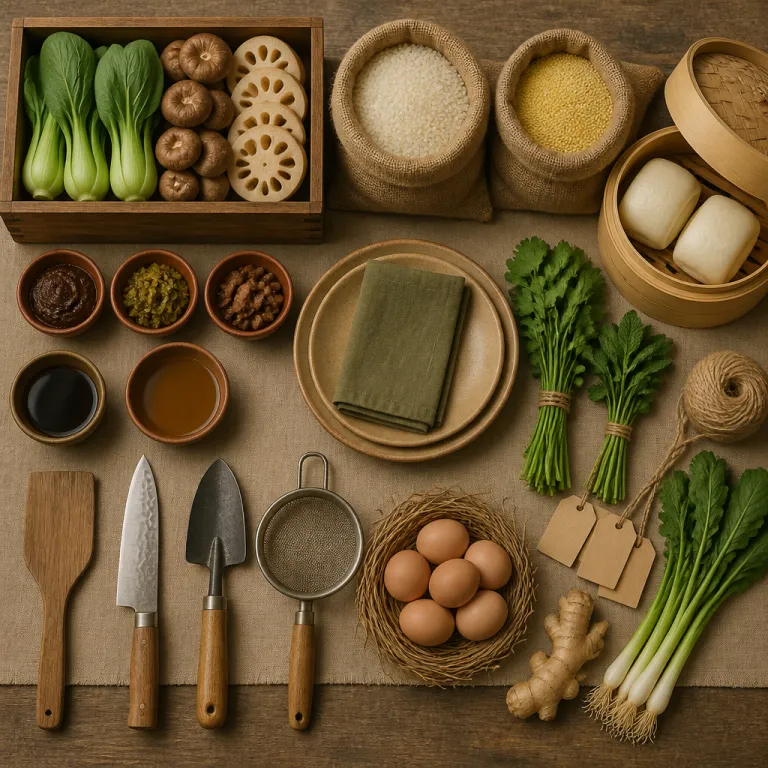
Beijing farm to table fine dining as the new measure of luxury
Beijing farm to table fine dining has shifted what luxury means in the city. In a capital once obsessed with chandeliers and foie gras flown in from France, the best tables now compete on how clearly they can trace every carrot, duck and grain of millet back to a specific farm in China. For travelers choosing a luxury hotel, the most valuable amenity is often not the spa or the skyline view, but a dining experience where the chef can tell you which grower harvested your greens that morning.
This change did not appear overnight in Beijing, and it is rooted in both food safety concerns and a new respect for local terroir. A National Geographic report notes that “Percentage of Chinese concerned about food safety: 72 %”, and that anxiety has quietly pushed guests toward restaurants and hotels that can show exactly where their food offerings come from and how they were grown. For solo travel in particular, the intimacy of a chef explaining a farm table philosophy across the counter can feel more meaningful than any grand banquet hall.
When you browse a luxury hotel guide for the city today, you will see provenance language woven through every serious restaurant description. Properties that once highlighted only marble bathrooms now emphasize direct partnerships with farmers in the Beijing Municipality and beyond, and they present farm to table menus as clearly as they present their privacy policy or accessibility statement. For discerning guests, this transparency is not marketing decoration ; it is the baseline for trusting both the hotel and its variety of food and drink.
Rosewood Beijing and the rise of ingredient storytelling
Among the city’s new guard, Rosewood Beijing stands as a reference point for beijing farm to table fine dining. Under Director of Culinary Operations Matias Martinez, the rosewood Beijing kitchens have built long term relationships with farmers around the capital, turning supply chains into personal networks where chefs know who is growing their herbs and who is raising their chickens. When you sit down in the hotel’s contemporary restaurant spaces, servers talk about soil, seasons and seed varieties with the same fluency they bring to wine pairings.
Martinez’s team has been central to the farm table movement in Beijing, and their work is often cited in conversations about sustainable dining in China. The official explanation of the philosophy is simple and precise : “A movement promoting serving local food at restaurants, emphasizing direct acquisition from producers.” That sentence might sound technical, yet in practice it means your lunch or dinner plate carries a story that runs from a field outside the city to the polished floor of a luxury hotel dining room, with every step visible.
For travelers planning where to eat between a morning at the Great Wall and an evening in the Chaoyang District, Rosewood offers impressive options that balance comfort with a sense of place. You might start with dim sum built around heritage pork and seasonal greens, then move to a tasting menu that threads through Chinese culinary arts and subtle French techniques. If you want to map out a full eating itinerary that ranges from hutong noodles to Michelin starred temples, use a specialist resource such as the stay in Beijing guide to eating your way through Beijing, then anchor one evening here for a benchmark dining experience.
From palace hotels to plant based counters: where provenance leads the menu
Beijing farm to table fine dining now stretches well beyond one property or one neighborhood. At The Peninsula Beijing, Executive Chef Dominique Martinez has pushed sustainable sourcing into the heart of the hotel’s identity, turning its restaurants into case studies in how a heritage luxury hotel can modernize without losing its sense of occasion. Across town, Country Kitchen has earned a Michelin starred reputation by treating northern Chinese comfort dishes with almost scholarly attention to origin and season.
Country Kitchen’s chef Zhang Shaogang works closely with growers around Beijing to secure chilies, grains and vegetables that reflect the region’s climate and soil. The result is a dining experience where a simple bowl of hand pulled noodles or a plate of dumplings can feel as carefully curated as a tasting menu in Hong Kong or Shanghai. For travelers who split their time between cities, it is worth comparing these Beijing food offerings with the refined hotel restaurants highlighted in this guide to the best fine hotel stays in Shanghai, then deciding where you want your next farm table story to unfold.
What unites these properties is not décor but a shared belief that provenance is the ultimate luxury signal. Whether you are seated on a high floor with a city view or tucked into a quieter corner, chefs now talk openly about fermentation jars in their kitchens, clay pot experiments and revived preservation techniques drawn from Chinese culinary arts. For solo travelers, this level of detail turns a simple lunch dinner reservation into a conversation about land, history and the future of food in China.
How Beijing’s luxury hotels are rewriting the solo dining script
For the independent traveler, beijing farm to table fine dining offers something that traditional banquet style restaurants rarely could. Counter seating and chef’s tables in several luxury hotel dining rooms give solo guests front row access to the choreography of plating, tasting and storytelling, transforming what might have been an awkward table for one into a privileged vantage point. In these spaces, the distance between the farm and your seat is measured not only in kilometers but in the number of questions you can ask before dessert.
Many of Beijing’s top properties now design menus that feel lighter, more intentional and aligned with wellness, without losing the pleasure of a great meal. You will see vegetable forward courses, broths built from long simmered bones and grains, and food drink pairings that favor teas or low alcohol ferments over heavy spirits. If you are structuring a full day around health, you can even pair a morning tai chi session or spa circuit with a seasonal tasting menu, using resources such as this stay in Beijing overview of Beijing’s wellness circuit to plan your route through the city.
Hotels that take this approach seriously tend to be equally meticulous about the rest of the guest journey. Clear information about the privacy policy, the accessibility statement and even a transparent statement on cookie use sit alongside menus that list farms and producers by name. For you as a guest, that consistency builds trust ; it signals that the same care applied to sourcing a tomato is applied to handling your data and shaping your overall travel experience.
Practical tips for booking a provenance driven stay in Beijing
When you start comparing properties for a Beijing trip, treat beijing farm to table fine dining as a core filter rather than a pleasant extra. Read each luxury hotel website as closely as you would read a serious restaurant review, paying attention to whether they mention specific farms, seasonal menus and long term relationships with producers in and around the city. If the language feels vague, the commitment to provenance is usually just as soft.
Look for hotels in the Chaoyang District and central business areas that balance easy access to the Great Wall day trips with strong in house food offerings. A property such as Rosewood Beijing, for example, combines a central location with restaurants that offer a variety of food styles, from dim sum to contemporary Chinese plates with French accents. When you see phrases like “offers impressive local sourcing” or “farm table partnerships with nearby growers”, you are usually looking at a kitchen where the chef can name their suppliers without checking a list.
Before you book, do not hesitate to email the hotel and ask direct questions about their dining experience. Ask which farms they work with, whether they can accommodate solo counter seating, and how their menus change between lunch dinner services across the week. The most serious teams will respond with specifics rather than slogans, and that clarity is often a better indicator of quality than any star rating or skyline view.
FAQ
What is the farm to table movement in Beijing ?
The farm to table movement in Beijing refers to restaurants and hotels that serve food sourced directly from local producers, often within the Beijing Municipality. As one standard definition puts it, “A movement promoting serving local food at restaurants, emphasizing direct acquisition from producers.” In practice, this means chefs visit farms, know their growers personally and design menus around seasonal availability rather than imported luxury items.
Why has provenance become so important for diners in China ?
Provenance has become central because many guests in China care deeply about food safety, quality and environmental impact. Clear information about where ingredients come from helps reassure diners that their meals are fresh, traceable and responsibly produced. It also supports local farmers and reduces the distance food travels, which aligns with broader sustainability goals.
Which Beijing hotels focus most on farm to table fine dining ?
Several leading luxury hotels in Beijing have made provenance a core part of their identity. Rosewood Beijing is known for its close relationships with local farms and seasonal menus, while The Peninsula Beijing emphasizes sustainable sourcing across its restaurants. Country Kitchen, though not a hotel, is another key player, earning a Michelin star for its ingredient driven approach to northern Chinese cuisine.
How can solo travelers make the most of provenance driven dining ?
Solo travelers are often well placed to enjoy farm to table restaurants because counter seating and chef’s tables allow for more direct interaction with the kitchen. Sitting at the counter, you can ask about specific farms, preservation techniques and seasonal choices while watching dishes being prepared. Booking early and requesting a seat with a clear view of the open kitchen usually enhances this experience.
What should I look for when booking a hotel with strong food provenance ?
When booking, read the hotel’s restaurant pages carefully and look for mentions of named farms, seasonal menus and long term partnerships with local producers. Properties that take provenance seriously often highlight their sourcing philosophy as clearly as they highlight their spa or room categories. If you are unsure, send a short email asking about suppliers and menu seasonality ; detailed answers are a reliable sign of genuine commitment.