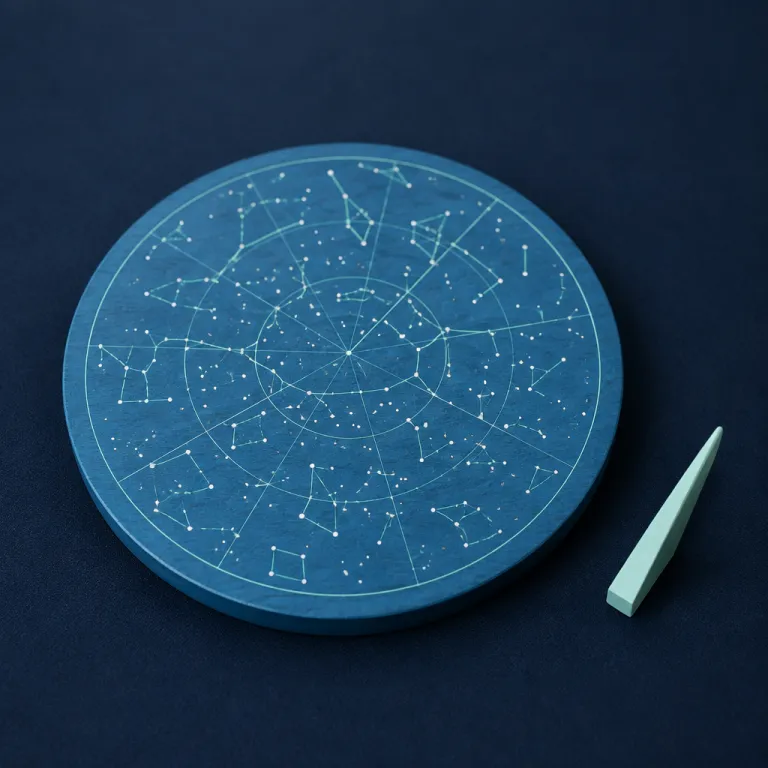
Beijing ancient observatory astronomical heritage for the solo traveler
Stand on the stone platform of the ancient observatory in Beijing and the city feels briefly quiet. From this elevated corner of the old city wall, the beijing ancient skyline folds around bronze astronomical instruments that once guided emperors and their court. You see expressways and glass towers, yet the beijing observatory still orients itself toward deep space and an older understanding of time.
This ancient observatory in beijing china is one of the oldest continuously used astronomical observatory sites in the world. Built on a Ming dynasty watchtower and refined under the Qing dynasty, it turned imperial astronomy into a visible symbol of power for all of china. The beijing ancient observatory astronomical heritage here is not a nostalgic museum piece ; it is a precise record of how chinese rulers aligned their rule with the movements of the heavens.
Eight monumental astronomical instruments dominate the terrace, each one a sculptural file of scientific ambition. The most striking is the armillary sphere, a tangle of bronze rings that once mapped the celestial equator and ecliptic with astonishing accuracy. Around it, other ancient astronomical devices for tracking planetary positions, azimuth, and altitude show how observatory china sites like this fused art, mathematics, and politics.
For a solo traveler, the appeal is twofold and quietly powerful. You gain a clear narrative thread through beijing china, moving from this observatory beijing landmark to other sites where astronomy shaped ritual and governance. You also gain a rare sense of intimacy with the city wall itself, walking a short stretch that once guarded the capital while imperial astronomers above calculated eclipses for the ming dynasty court.
Most visitors arrive with only a rough city map and leave with a mental star chart of china beijing instead. The small museum china galleries beneath the platform explain how chinese astronomy evolved from naked eye observation to sophisticated astronomical instruments in dialogue with Europe. Panels reference Jesuit scholars such as Ferdinand Verbiest, whose collaboration here turned the beijing ancient observatory astronomical heritage into a bridge between worlds.
From city wall to celestial court: walking the Ming and Qing sky route
Plan your day so the ancient observatory anchors a wider walk through imperial astronomy in beijing. Start at the observatory china terrace when it opens, when tour groups are thin and the bronze astronomical instruments glow softly in the morning haze. From here, you can trace a line through the city that mirrors how chinese emperors used astronomy to legitimize their rule.
After exploring each armillary sphere and quadrant, step down into the museum china rooms to understand the ming dynasty and qing dynasty reforms. Exhibits show how calendar corrections were not abstract mathematics but matters that could unseat a prime minister if eclipses were misread. The beijing ancient observatory astronomical heritage becomes more vivid when you realize that a miscalculated solstice once carried the same political weight as a failed policy speech by a modern british prime minister.
Leave the observatory beijing complex and follow the former city wall line west toward the Forbidden City, using any offline map app to keep your bearings. Inside the palace, seek out the stone sundials in the outer courtyards, which functioned as public astronomical instruments for the imperial audience. These ancient astronomical devices echo the beijing observatory terrace, translating the motion of the sun into a visible guarantee that the dynasty still held the mandate of heaven.
Continue south to the Temple of Heaven, where the relationship between space, sound, and power becomes architectural. The circular altar, echo wall, and ceremonial axis show how this temple turned astronomy and acoustics into a stage for qing dynasty rituals. Here, the same beijing ancient concern with precise alignments that shaped the ancient observatory also dictated where each tree, stone, and stair should stand.
If you are staying near Wangfujing, properties such as the Sunworld Dynasty Hotel place you almost exactly on this imperial astronomy corridor. From such a central base, described in detail in our guide to an elegant Wangfujing hotel for hidden city adventures, you can walk between the observatory, palace sundials, and temple altars without ever needing a taxi. For solo travelers, that walkable triangle turns a potentially overwhelming city into a legible map of sky, stone, and story.
Families or travelers who want a softer landing into traditional streets can extend this route north into the hutongs. Our separate guide to navigating Nanluoguxiang with children shows how to balance heritage stops with snacks and play. Linking these hutong lanes with the beijing ancient observatory astronomical heritage gives you a day that moves from star maps to street food without losing its narrative thread.
Inside the instruments: how Beijing’s imperial astronomers read the sky
On the observatory platform, it helps to slow down and treat each instrument as a chapter in a long scientific story. The armillary sphere, with its interlocking rings, allowed chinese astronomers to plot celestial coordinates long before modern space telescopes existed. Nearby, the ecliptic instrument and azimuth theodolite show how the beijing observatory team tracked planetary motion with a precision that impressed visiting Europeans.
Many of these astronomical instruments were redesigned under the qing dynasty with input from Jesuit scholars such as Ferdinand Verbiest. He helped refine the ancient astronomical models used in china beijing, blending European trigonometry with chinese observational records that stretched back more than a millennium. The result on this terrace is a set of bronze forms that feel both unmistakably chinese and quietly global in their scientific lineage.
Look closely at the dragon motifs curling around the armillary sphere and you see how art and astronomy intertwined. These creatures are not decoration ; they signal that control of the heavens was inseparable from control of the earth for any dynasty. In that sense, the beijing ancient observatory astronomical heritage is as much about political symbolism as it is about star catalogues and eclipse tables.
Panels on site explain how the observatory china staff produced the official calendar, a task that shaped agricultural cycles and ritual schedules across the empire. Errors could be interpreted as signs that heaven had withdrawn its favor, a fear that haunted every prime minister and court official. When you stand here alone, with the modern city humming below, it is easy to imagine the pressure that once sat on these stone balustrades.
After sunset, consider how this legacy echoes through contemporary culture in beijing china. Some luxury hotels now host small astronomy themed evenings on their rooftops, even if light pollution limits what you can see with the naked eye. Our guide to where to hear opera, jazz, and silence across Beijing highlights properties that pair sky views with thoughtful soundscapes, turning a simple nightcap into a quiet meditation on space and time.
Choosing the right luxury base for an astronomy themed stay
For travelers using the beijing ancient observatory astronomical heritage as a thematic spine, location matters more than marble lobbies. Look for hotels within a short taxi ride of Jianguomen, where the observatory beijing complex sits at the edge of the old city wall. From here, you can reach the Temple of Heaven, the Forbidden City, and key hutong districts without spending your day in traffic.
High end properties in this corridor often feature rooftop bars or executive lounges with partial skyline views. While you will not see the Milky Way from central beijing china, these elevated spaces still offer a useful vantage point for orienting yourself between ancient and modern landmarks. Watching the sun set behind the palace district while knowing that imperial astronomers once tracked the same arc from the ancient observatory adds a quiet depth to an otherwise routine cocktail hour.
When comparing options, prioritize clear walking routes over purely decorative amenities. A hotel that sits near a preserved stretch of city wall or a small neighborhood temple will make the beijing ancient narrative feel tangible each time you step outside. Properties that provide a well designed printed city map, rather than only a QR code, are especially helpful for solo travelers who like to annotate their own routes between astronomy sites.
Some concierges in china beijing now curate themed itineraries that link the observatory china terrace with lesser known museums. Ask specifically about any small museum china collections focusing on science, cartography, or imperial ritual, which often sit in former temples or courtyard residences. A good concierge will understand that you are not chasing generic top attractions but following a thread that runs from armillary sphere to altar stone.
Price wise, you do not need the absolute top suite to enjoy this astronomy focused approach. Mid to upper tier rooms in well located luxury properties often include late checkout, which lets you visit the beijing observatory early, rest in the afternoon, then head to the Temple of Heaven for the softer evening light. That rhythm suits solo travelers who prefer depth over speed and want time to process the layers of history they have just walked through.
Night skies, light pollution and where astronomy still lives in Beijing
Modern beijing glows so brightly that true darkness rarely reaches the city center. For anyone interested in astronomy, that light pollution shapes how you experience the beijing ancient observatory astronomical heritage. You come here not to see stars directly but to understand how earlier generations read the sky long before neon and LED screens.
If you want actual stargazing, you will need to travel beyond the densest parts of china beijing. Local astronomy clubs sometimes organize trips to rural sites where the Milky Way is faintly visible, and hotel concierges can occasionally connect you with these groups. For most travelers, though, the more realistic option is to use planetarium apps or digital sky maps on hotel rooftops, overlaying virtual constellations on the hazy real sky.
Some luxury properties near the central business district have begun to host small talks on chinese astronomy and the history of the beijing observatory. These sessions often reference how the ming dynasty and qing dynasty courts used eclipses, comets, and planetary alignments as omens that could reshape policy. Hearing those stories while looking out toward the ancient observatory platform creates a layered sense of space that no generic city tour can match.
Within the observatory beijing complex itself, the museum china displays function as a kind of intellectual night sky. Detailed panels walk you through how astronomical instruments evolved from simple gnomons to complex armillary sphere constructions that could model the heavens in three dimensions. Even if entry is not free, the ticket price is modest compared with most top attractions and repays careful attention.
For a final mental exercise, consider how different this terrace feels from the world of a modern british prime minister such as Tony Blair. Where a minister Tony might rely on polling data and economic indicators, the officials who once climbed these steps read meaning in planetary retrogrades and solstice shadows. That contrast underlines why the beijing ancient observatory astronomical heritage remains so compelling : it reminds you that every city, no matter how modern, once measured itself against the stars.
FAQ
Is the Beijing Ancient Observatory worth visiting for a short stay?
Yes, the ancient observatory is compact, central, and unusually focused, which makes it ideal even if you only have one or two days in beijing. You can explore the terrace, examine the astronomical instruments, and walk a short stretch of the old city wall in under two hours. Its location near major palace and temple sites also lets you integrate it easily into a broader cultural itinerary.
How much time should I plan at the observatory and museum?
Most travelers should allow at least ninety minutes for the beijing observatory complex. That gives you time to study each armillary sphere and instrument on the terrace, then move through the museum china galleries without rushing. If you enjoy reading technical panels on astronomy and dynasty politics, two hours will feel more comfortable.
Can I visit the Ancient Observatory independently or do I need a guide?
You can absolutely visit the ancient observatory independently, as bilingual signage explains the main aspects of the beijing ancient observatory astronomical heritage. A guide, however, can add nuance about ming dynasty and qing dynasty court life, as well as point out details on the instruments you might otherwise miss. Solo travelers who prefer flexibility often read a brief history beforehand, then use the on site panels as their primary reference.
Which area of Beijing is best to stay in for this astronomy themed route?
Staying near Jianguomen, Wangfujing, or the eastern side of the Forbidden City places you close to the observatory beijing site and related landmarks. From these neighborhoods, you can reach the Temple of Heaven, palace sundials, and key hutong districts with short taxi rides or manageable walks. Many luxury and premium hotels in these areas also offer helpful concierge teams who understand cultural itineraries beyond the usual top attractions.
Are there any free astronomy experiences in Beijing for travelers on a budget?
While entry to the beijing observatory is not free, several low cost or free experiences still connect you with the city’s astronomical heritage. You can view palace sundials from public courtyards, walk along surviving sections of the city wall, and use a free sky map app on hotel rooftops to overlay constellations on the urban night. Local astronomy clubs sometimes host free talks or observation nights on the outskirts, which concierges or cultural centers can help you locate.