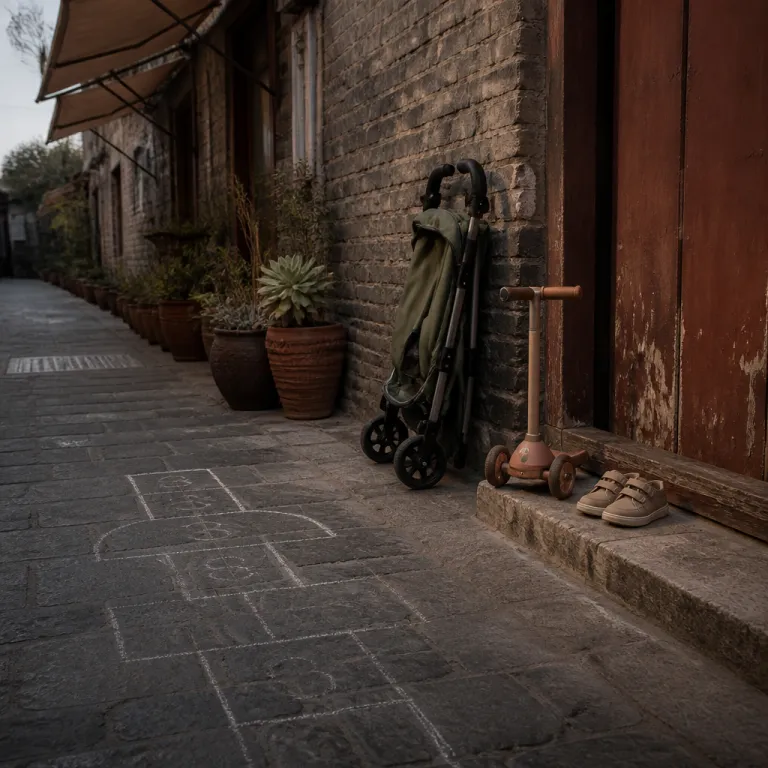
Why nanluoguxiang belongs in a Beijing family itinerary
Nanluoguxiang sits in the heart of Beijing’s Dongcheng District, a narrow historic hutong that has become one of the city’s most visited streets. For families using a luxury or premium hotel booking website in Beijing, this corner of the old city is the missing link between polished lobbies and the textured local life that unfolds in the alleys. The area’s preserved Beijing hutongs, layered with Yuan dynasty history and contemporary cafés, turn a simple day walk into a living classroom for children.
The main alley of nanluoguxiang runs for about 787 meters, with 16 side lanes that peel off like ribs from a spine and offer quieter hutongs when the main street feels too intense. According to measurements based on Baidu Maps and the Dongcheng District tourism board’s published walking routes, the southern entrance near Di’anmen East Avenue lies roughly 2.5 to 3 kilometers north of the Forbidden City’s main gate, making it easy to fold into a central sightseeing day. Treating the district as a cultural landmark rather than just a shopping strip helps you balance crowd levels, child friendly snacks and meaningful stops. You are in central Beijing, close enough to the Forbidden City, the Drum Tower and even the Temple of Heaven to weave this hutong into a wider story about how the capital grew from imperial axis to modern city.
Families often ask whether the price of staying near nanluoguxiang is justified when compared with hotels closer to the Forbidden City or the Central Business District. For many premium travelers, the answer is yes, because waking up within walking distance of authentic Beijing hutongs lets children see local life before the tour buses arrive. One parent described stepping out of a Dongcheng boutique hotel at 7:30 a.m. and watching a neighbor water potted plants while a child practiced violin in a courtyard, a quiet moment that stayed with their kids longer than any museum. The focus here is that early day magic, when the street is still half asleep, the Beijing snacks are just being steamed, and the city feels like it belongs to you and your kids.
Timing your visit: the first hour and the family rhythm
The single most important decision is when you go. Morning is your ally; the first hour after most shops open gives families space to move strollers, point out Yuan dynasty grey brick patterns and let children ask questions without being jostled. Local tour guides and hotel concierges consistently recommend weekday mornings, because “Weekday mornings are less crowded.”
Think of your day in Beijing as a series of pulses rather than a fixed schedule, especially when you combine nanluoguxiang with the Drum Tower, the Forbidden City or even an evening cultural event. The city’s festival calendar is dense, and understanding how Beijing manages more than a thousand performances over a few days, as explored in this analysis of Beijing’s festival tourism ambitions, helps explain why crowd patterns around the hutongs can change quickly. Arriving early lets you enjoy the main street while it still feels like a neighborhood, then retreat into side alleys once the day’s travel groups start to fill the main alley.
Plan no more than ninety minutes in the hutong itself for younger children, then build in a longer pause near the Drum Tower or at a café on the east street side where you can regroup. A simple route many families like starts at the south gate, walks north along the main alley, then cuts west toward the Drum and Bell Towers for a rest. Use snacks as time markers; a first stop for classic Beijing breakfast food, a second for ice cream or Beijing snacks when energy dips, and a final treat before you head back to your hotel. That rhythm keeps the price of small indulgences under control while turning the day into a series of achievable stages for kids.
Side alleys, parallel hutongs and where local life still leads
Step off the main alley and nanluoguxiang changes character within a few meters, revealing Beijing hutongs where laundry hangs low and electric scooters share the street with children walking to school. Treat each side lane as a different chapter, some lined with small courtyards, others with modest apartments that show how local life actually unfolds. Parents can point out the contrast between the polished main street and the quieter hutongs, explaining how the Yuan dynasty grid still shapes the modern city.
Several side alleys on the east street flank of nanluoguxiang are especially good for families, because they are narrow enough to slow traffic yet wide enough for a stroller to pass comfortably. Here you see authentic Beijing scenes; a grandfather repairing a bicycle, a child practicing characters on a slate, a woman carrying hot pot ingredients home for a family meal. One travel planner recalls a seven year old guest proudly greeting a neighbor with a rehearsed “ni hao,” then being rewarded with a smile and a tangerine, a tiny exchange that made the hutong feel like a real neighborhood rather than a stage set. This is where the phrase gems nanluoguxiang earns its meaning, not in the souvenir stalls but in the small, uncurated moments that connect your children to the city’s daily life.
Use your hotel’s concierge or a trusted travel planner to map a loop that links nanluoguxiang, the Drum Tower and, for older children, a later visit to the Forbidden City or even a heritage focused excursion to the imperial burial sites discussed in this piece on Beijing’s imperial tombs and heritage tourism. Think of the hutong not as an isolated attraction but as one node in a network of cultural landmarks that includes the Temple of Heaven, the Great Wall at Mutianyu and the city’s expanding museum scene. When children understand that these hutongs once housed officials who walked or rode toward the Forbidden City, the alleys stop being just streets and start becoming storylines.
Family friendly food: snacks, hot pot and classic Beijing flavors
Food is the easiest way to keep children engaged, and nanluoguxiang excels at turning snacks into cultural lessons. Start with simple Beijing snacks such as jianbing crêpes, skewered grilled wings or sugar coated tanghulu, which are easy to share and gentle on younger palates. Many local vendors along the main street are used to families, so you can ask about ingredients, adjust spice levels and even let children pay in cash to practice small price calculations.
For a deeper taste of classic Beijing cuisine, look for small eateries just off the main alley where the menus feature dumplings, noodles and occasionally hot pot tailored to local life rather than mass tourism. Some shops specialize in dairy based treats like wenyu cheese style desserts, which pair well with a mid day ice cream when the city heat builds. Use these stops to talk about how Chinese food varies from region to region, and why certain dishes became symbols of authentic Beijing over time.
Parents staying in luxury hotels often ask whether it is better to eat in the property’s restaurants or in the hutong, especially when balancing hygiene, dietary needs and time. The answer is to do both; enjoy a carefully curated hot pot or northern Chinese tasting menu at your hotel in the evening, then use nanluoguxiang for lighter street food and Beijing snacks during the day. That mix keeps the overall price of dining reasonable while giving children the thrill of eating on a busy street, then returning to the calm of a polished lobby when they tire.
Cultural stops, toys and age appropriate learning moments
Beyond food, nanluoguxiang offers a dense run of small shops where culture hides in plain sight for families who know where to look. Calligraphy studios, paper cutting stalls and traditional toy shops are ideal places to pause, because they turn abstract Chinese history into something children can touch. Many of these spaces sit just off the main street, so you can step away from the flow, let kids sit down and watch a demonstration without feeling rushed.
Look for stores selling spinning tops, shuttlecocks and simple wooden puzzles, which reflect games played in Beijing hutongs long before digital screens arrived. Souvenirs from these shops carry more meaning than generic trinkets, because they connect directly to local life and can be used again once you return home. Set a clear price limit per child before you enter the street, turning the process of choosing souvenirs into a lesson in budgeting as well as taste.
Families with older children can layer in more context by linking what they see in nanluoguxiang to larger sites such as the Forbidden City, the Temple of Heaven or even a day trip to the Great Wall at Mutianyu. When a guide explains that some courtyard homes in these hutongs once belonged to officials who reported to the imperial court, the connection between small alley and vast palace becomes tangible. For parents who want to extend the learning into the evening, pairing this walk with a later exploration of the city’s quieter side through an article like where luxury travelers go when Beijing quiets down can help plan a full day that respects both children’s energy and adults’ curiosity.
From hotel lobby to hutong: logistics, safety and choosing the right base
Turning plans into reality starts with choosing a hotel that understands hutong logistics. Properties in Dongcheng District or near Jingshan Park give you short transfer times, which matters when you are managing naps, snacks and sudden weather changes. Many luxury and premium hotels now coordinate with local tour companies that specialize in Beijing hutongs, arranging private guides who meet you in the lobby and lead you directly into the main alley or a quieter side entrance.
Walking remains the best way to experience nanluoguxiang with children, because it lets you stop for Beijing snacks, adjust your pace and slip into side hutongs whenever the main street feels too crowded. Rickshaws can be useful for grandparents or very young children at the end of the day, but they work best on wider sections near the Drum Tower rather than in the tightest alleys. Use strollers only on the flattest parts of the main alley and east street, then fold them when you explore narrower hutongs where steps and uneven stones appear.
Safety in this part of Beijing is generally strong, especially during the day, but families should still agree on a meeting point such as a visible corner shop or a landmark sign along the main street. Public toilets are signposted in Chinese and English near both the south and north entrances, and many cafés allow paying guests to use their facilities. Carry a printed hotel card in Chinese, keep some cash for small vendors who do not accept cards and use offline maps in case mobile coverage dips between courtyards. By treating nanluoguxiang as both a cultural landmark and a carefully planned outing, you can move from the controlled environment of a luxury lobby into the layered, sometimes chaotic but always rewarding life of Beijing’s most famous hutong.
Key figures for families planning nanluoguxiang
- The main alley of nanluoguxiang extends for approximately 787 meters, which means a slow family walk with frequent stops typically takes 45 to 60 minutes from end to end.
- Sixteen side alleys connect to the main street, giving families multiple options to escape crowds and explore quieter hutongs without leaving the area.
- Nanluoguxiang is located in Beijing’s Dongcheng District, less than 3 kilometers from the Forbidden City and within a short drive of the Drum Tower and Bell Tower, making it easy to combine these landmarks in a single day.
- The area is open year round during daytime hours, with weekday mornings offering the lowest crowd density and afternoons bringing a livelier atmosphere that some older children may enjoy.
- Most families spend between 100 and 200 RMB on snacks, drinks and small souvenirs during a typical visit, a modest price compared with formal restaurant meals in luxury hotels.
Frequently asked questions about nanluoguxiang with children
Is nanluoguxiang suitable for strollers and young children ?
Yes, the main paths of nanluoguxiang are stroller friendly, with relatively even paving and enough width in most sections for families to move comfortably. Side hutongs can be narrower and occasionally include steps, so it is wise to use a lightweight stroller that folds easily. Parents with very young children may prefer a carrier when exploring the tightest alleys.
What are the best times of day to visit with a family ?
Weekday mornings are less crowded, which makes them ideal for families who want space to pause, take photos and let children explore without pressure. Arriving within the first hour after most shops open gives you a quieter experience on the main street and easier access to popular snack stalls. Afternoons are livelier and can work well for older children who enjoy a busier atmosphere.
Are there restrooms and family facilities available nearby ?
Public restrooms are available around nanluoguxiang, including near some of the main entrances and side streets. Facilities are basic but generally clean, and many cafés along the main alley allow paying customers to use their restrooms as well. Families staying in nearby hotels can also plan a mid visit break back at the property if younger children need a rest.
How long should a family plan to spend in nanluoguxiang ?
Most families find that 90 minutes to two hours is enough time to walk the main alley, explore a few side hutongs, sample Beijing snacks and choose souvenirs. Younger children may tire sooner, so combining a shorter hutong visit with a stop at the Drum Tower or a nearby park works well. Older children interested in photography or history may enjoy staying longer, especially if you include a guided walk.
Is nanluoguxiang a good base area for a luxury hotel stay ?
Staying near nanluoguxiang in Dongcheng District suits families who value quick access to hutongs, the Forbidden City and other central landmarks. While some luxury properties cluster closer to the business districts, several premium hotels within a short drive of the hutong offer concierge teams experienced in arranging private guides and family friendly itineraries. For many travelers, that balance of authentic Beijing streets by day and refined hotel comfort at night is ideal.