Why the most vivid Beijing cultural experiences now start in your hotel lobby
In Beijing, some of the most memorable cultural encounters increasingly begin before you even reach the first temple or square. Luxury and premium properties have realised that a refined stay means more than a polished lobby and a view of the Forbidden City, so they now weave traditional arts, stories and flavours directly into the rhythm of a visit. For solo travellers planning time in the capital, this shift turns hotels into intimate cultural classrooms where the city’s history, from hutong life to the Great Wall, feels close enough to touch.
Across the city, from Wangfujing to Shichahai, hotels are partnering with artisans to offer hands-on workshops, live performances and guided walks that feel far removed from the usual tourist attractions. Municipal tourism reports such as the Beijing Cultural Tourism Development Statistical Bulletin 2023 note a steady rise in structured cultural activities inside hotels, still modest in number compared with overall visitor volume yet influential enough to shape a new style of immersion. These curated experiences give you a way to understand traditional Chinese crafts and stories before you step into Tiananmen Square, Jingshan Park or the Temple of Heaven, and they quietly change how you read the city’s layers.
For travellers used to booking a room purely for location and sale rates, this is a different way to think about where to stay. The right property can turn a jet-lagged evening into a shadow puppet performance or a calm morning into a calligraphy lesson that reframes every character you see on a street sign. When you choose carefully among the top luxury hotels Beijing offers, your room key becomes a pass into authentic cultural experiences that continue long after you leave the lobby.
Shadow puppets in Shichahai: when your hotel stage outshines the big attractions
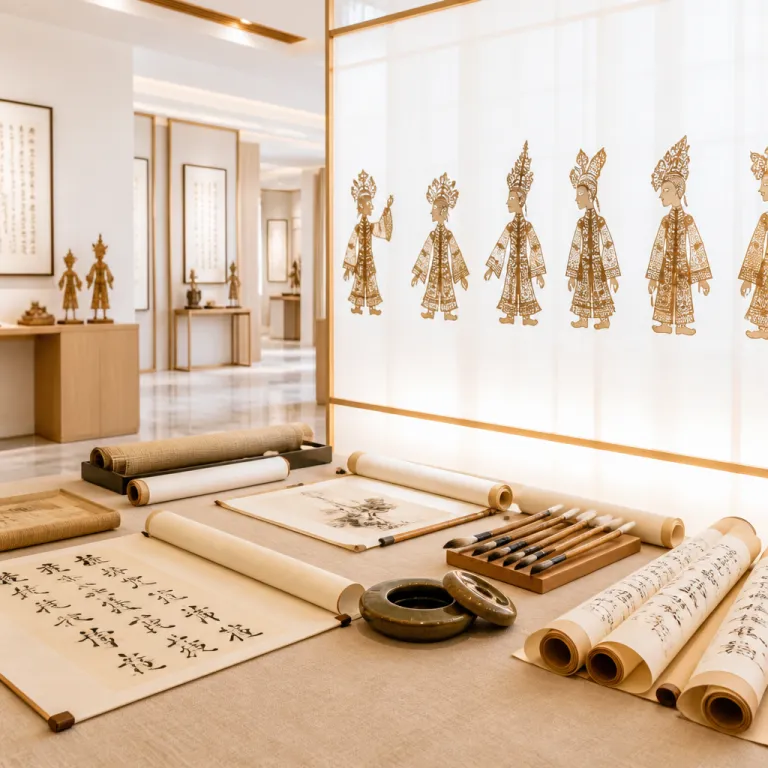
Northwest of the Forbidden City, the Shichahai lakes area has long been popular for its hutong lanes, courtyard homes and late-night bars. Tucked into one of these grey-brick alleys, a small performance-focused property often referred to as Shichahai Shadow Art Performance Hotel has built one of the most distinctive hotel-based cultural experiences, turning its compact lobby into a traditional stage on selected evenings. Guests sit within a few metres of the screen as puppeteers bring mythic battles and everyday stories to life in flickering light, creating an atmosphere that feels more like being invited into a family courtyard than attending a commercial show.
The hotel’s shadow puppet performances, typically held several times a week, are deliberately small-scale, with practitioners who treat each show as both entertainment and preservation of intangible heritage. Compared with large theatre productions near Tiananmen Square or the more commercial venues around the Temple of Heaven, this intimate format lets solo travellers ask questions, examine the carved leather puppets and understand how traditional Chinese tales have shaped the city’s imagination. Many guests say that this single evening changes how they later walk through the Forbidden City or climb the Great Wall, because the legends behind the walls suddenly feel personal rather than distant.
Workshops here extend the experience beyond the screen, as artisans guide you through basic puppet manipulation and explain how the art survived political shifts and rapid urban change. It is one of the best things to book if you want cultural encounters that go deeper than a standard day tour of attractions like Jingshan Park or the Summer Palace, especially when you are travelling alone and keen to connect. For a broader look at how courtyard properties are redefining luxury in the hutong, the guide to the courtyard hotel revival and siheyuan stays shows how these spaces turn quiet alleys into living cultural classrooms.
Tea, ink and silk at The Peninsula Beijing and Mandarin Oriental Qianmen
In the heart of the city near Wangfujing, The Peninsula Beijing approaches cultural immersion with the same precision it applies to its suites and service. Here, tea ceremonies unfold in hushed salons where a tea master explains the nuances of water temperature, leaf selection and pouring rhythm, turning what might be a welcome drink into a structured lesson in Chinese tea culture. Art exhibitions in the hotel’s public spaces often highlight local painters and calligraphers, so your route from elevator to restaurant becomes a curated walk through contemporary and traditional aesthetics.
Further south, Mandarin Oriental Qianmen, Beijing sits within walking distance of Tiananmen Square and the historic Qianmen commercial street, yet its most compelling stories often happen indoors. The property hosts calligraphy workshops where you learn basic strokes under the guidance of a practising artist, then step outside and suddenly read the monumental inscriptions at Tian Anmen and the nearby Zhengyangmen gate with fresh eyes. Some programmes extend into the surrounding hutong, offering short day tour style walks that connect the refined calm of the hotel with the textured life of authentic neighbourhood alleys.
Both hotels require advance reservations for many of their cultural offerings, especially during peak summer and major holidays when demand from international visitors surges. According to the Beijing Municipal Bureau of Culture and Tourism 2023 Inbound Tourism Briefing, inbound arrivals during the May Day holiday exceeded 120,000 visitors in five days, and luxury properties across the city felt the pressure on room inventory and workshop capacity, a trend explored in detail in this analysis of how Beijing’s luxury hotels handled a sudden wave of international guests. If you plan to book these top programmes, treat them like you would a table at a popular restaurant near the Forbidden City or the Summer Palace, and secure your spot as soon as your travel dates are fixed.
Hutong courtyards as cultural classrooms for solo travelers
While the big names near Tiananmen Square and Wangfujing command attention, some of the richest hotel cultural experiences unfold in smaller courtyard properties threaded through the hutong. Places like The Orchid Hotel on Baochao Hutong have built a loyal following among independent travellers by turning their siheyuan courtyards into relaxed cultural salons. Here, complimentary tea tastings, calligraphy sessions and occasional kite-flying workshops create a gentle rhythm that mirrors traditional local life, with bicycles waiting at the gate for guests to pedal between nearby attractions.
For a solo traveller, this scale matters, because smaller groups mean easier conversations with artisans and fellow guests, and more flexible timing around your own visit plans. You might spend the morning at the Temple of Heaven watching locals practise tai chi, then return for an afternoon calligraphy class that unpacks the characters carved on imperial steles, before cycling out at sunset toward Jingshan Park to watch the city glow behind the Forbidden City walls. These layered experiences turn each day into a sequence of cultural encounters rather than a checklist of things the capital is supposed to show you.
Courtyard hotels also excel at connecting you with the city’s less obvious cultural attractions, from small neighbourhood temples to family-run noodle shops that never appear on a standard day tour. Staff often live nearby and can point you toward an authentic dumpling stall or a quiet corner of a hutong square where retirees play chess under old locust trees. When you book this style of property, you are effectively choosing a base camp for ongoing cultural discovery, not just a bed between visits to the Great Wall or the Summer Palace.
How hotel programs differ from tourist shows and what to book ahead
Many first-time visitors assume that the most important cultural experiences will happen at the Forbidden City, the Great Wall or the Temple of Heaven, and those sites are undeniably powerful. Yet the atmosphere inside a hotel workshop or performance is fundamentally different from a large-scale tourist show, because the focus shifts from spectacle to conversation. In a small group at a Shichahai shadow art hotel or during a tea ceremony at The Peninsula Beijing, you can ask questions, handle materials and build a personal connection with the traditions on display.
Another key difference lies in the quality and intent of the practitioners leading these programmes, who often see themselves as custodians of intangible heritage rather than entertainers. At Mandarin Oriental Qianmen, for example, calligraphy instructors explain not only technique but also how written characters shaped the city’s political and spiritual life, from imperial edicts at the Forbidden City to slogans once painted around Tiananmen Square. This depth helps you read the walls, gates and squares as living texts, turning even a simple walk along Chang’an Avenue or through an old hutong into one of the most rewarding things you do in Beijing.
Because group sizes are intentionally small, many of the top cultural experiences hotels offer must be reserved in advance, especially in summer when international travel peaks. Shadow puppet shows in Shichahai may allow some drop-in guests, but hands-on workshops, tea ceremonies and specialist craft demonstrations usually have limited places and fixed schedules. A practical rule is to book at least one structured cultural activity for each full day in the city, then leave space for spontaneous moments, whether that is a dawn tai chi session in a neighbourhood square or an unplanned chat with a calligrapher in a hotel lounge.
From cloisonné to embroidery: hotels and Beijing’s intangible heritage
Beyond performance and calligraphy, a growing number of luxury hotels across the capital are inviting masters of traditional crafts into their public spaces. You might encounter a filigree inlay demonstration in a lobby near the financial district, or watch a cloisonné artisan apply enamel to copper forms in a quiet corner of a lounge, with the Forbidden City’s rooflines visible through the windows. These encounters turn what could be anonymous transit spaces into living galleries of traditional Chinese craftsmanship, and they often become the most photographed moments of a Beijing visit.
Embroidery demonstrations are particularly compelling, because they reveal how much of the imperial story was literally stitched into robes, banners and altar cloths. When a hotel hosts a Beijing embroidery artist for an afternoon session, guests see how colour, thread and pattern encode rank, myth and auspicious wishes, knowledge that later enriches any day tour through palace museums or temple complexes. Watching a dragon take shape in silk while you sip tea in a calm lobby can feel more intimate than standing in a crowded hall of treasures inside the Forbidden City, even though both experiences are part of the same cultural continuum.
These programmes also support local artisans economically and symbolically, giving them a stage that sits between the workshop and the museum. As one summary from the city’s tourism authorities puts it, cultural workshops hosted by hotels such as Shichahai Shadow Art Performance Hotel and The Peninsula Beijing are now a recognised part of the hospitality landscape. For travellers, this means that choosing where to book is no longer just about proximity to the Great Wall or Tian Anmen, but about which property aligns with the kind of narrative you want to engage with, from ancient court rituals to contemporary design.
Planning your stay: matching hotels to your personal Beijing narrative
Choosing among the top luxury hotels in Beijing now means deciding which cultural lens you want on the city. If your priority is performance and storytelling, a stay near Shichahai with regular shadow puppet shows and hutong walks will anchor your experience in neighbourhood life and lakeside evenings. Travellers more drawn to ceremony and visual art may gravitate toward The Peninsula Beijing or Mandarin Oriental Qianmen, where tea rituals, exhibitions and calligraphy sessions frame the city’s monumental squares and palaces.
Think about how you want to balance classic attractions with quieter, hotel-based cultural experiences, especially if your time in the city is short. One approach is to dedicate mornings to major sites like the Temple of Heaven, Jingshan Park or the Summer Palace, then return to your hotel for afternoon workshops that help you process what you have seen, from the geometry of palace courtyards to the symbolism on gate plaques. Evening can then be reserved for more atmospheric activities the city excels at, such as a shadow puppet performance, a hutong food walk or a nightcap in a bar that overlooks the softly lit walls of the Forbidden City.
For travellers interested in how contemporary creativity intersects with heritage, it is worth exploring neighbourhoods beyond the usual art districts, where new galleries and design-forward hotels are reshaping the cultural map. The guide to Beijing’s next art neighborhoods and the hotels beside them offers a useful starting point for this more forward-looking strand of cultural experiences. Whichever path you choose, treat your hotel not as a neutral backdrop but as an active partner in your visit, a place where walls, courtyards and lobbies all become part of the story you take home.
Key figures on Beijing hotel cultural experiences
- Local tourism authorities have identified a growing cluster of structured cultural workshops operating inside city hotels at any given time, still a small but influential segment of the wider hospitality market.
- According to the Beijing Cultural Tourism Development Statistical Bulletin 2023, cultural tourism recorded double-digit year-on-year growth, reflecting rising demand for experiences that go beyond standard sightseeing.
- Hotel cultural programmes typically run year-round, with daily workshops, weekly performances and seasonal events ensuring that travellers can access experiences in both peak summer and quieter shoulder periods.
- Partnerships between hotels, local artisans and cultural institutions are now a standard feature of many premium properties, signalling a strategic shift from pure accommodation to experience-led hospitality.
FAQ about cultural experiences in Beijing hotels
Which hotels in Beijing offer in house cultural workshops ?
Several premium properties now host structured cultural programmes, including Shichahai Shadow Art Performance Hotel with its shadow puppetry and workshops, The Peninsula Beijing with tea ceremonies and art exhibitions, and Mandarin Oriental Qianmen with calligraphy classes and curated cultural tours. Smaller courtyard hotels in the hutong also run tea tastings, calligraphy sessions and occasional craft demonstrations. When you plan your visit, check each hotel’s current schedule, as offerings can change seasonally.
What types of cultural activities can I expect inside hotels ?
Common activities include shadow puppet performances, calligraphy lessons, tea ceremonies, embroidery demonstrations and guided walks into nearby hutong neighbourhoods. Some hotels also host short talks on Beijing history, traditional Chinese festivals or local food culture, often led by academics or experienced guides. These programmes are designed to complement visits to major attractions like the Forbidden City, the Great Wall and the Temple of Heaven rather than replace them.
Do I need to book hotel cultural workshops in advance ?
Advance booking is strongly recommended for most structured workshops and small-group performances, especially at popular properties and during peak summer travel periods. Many hotels cap group sizes to preserve an intimate atmosphere, so last-minute spaces can be limited even when room availability remains. Contact your chosen hotel as soon as your dates are confirmed, and treat cultural experiences like any other high-demand reservation.
How do hotel cultural programs differ from regular tourist shows ?
Hotel-based experiences usually run at a smaller scale, with more time for questions, hands-on practice and direct interaction with artisans or teachers. The focus is on understanding techniques and stories rather than delivering a large spectacle, which makes them particularly appealing for solo travellers and repeat visitors. Because they are embedded in your accommodation, they also fit more naturally into a day that includes both major sights and quieter moments of reflection.
Can hotel cultural experiences replace visits to major Beijing attractions ?
They are best seen as a complement rather than a replacement for landmarks like Tiananmen Square, the Forbidden City, the Great Wall, Jingshan Park or the Summer Palace. Workshops and performances give you context that deepens what you see at these sites, from reading calligraphy on gates to recognising motifs in palace decoration. A balanced itinerary usually combines one or two major attractions each day with at least one hotel-based cultural experience.
References
- Beijing Tourism Board – public reports on cultural tourism initiatives and hotel-based workshops.
- Beijing Cultural Bureau – statistics and summaries on cultural tourism growth and heritage preservation programmes.
- UNESCO – materials on intangible cultural heritage relevant to traditional Chinese arts and crafts.