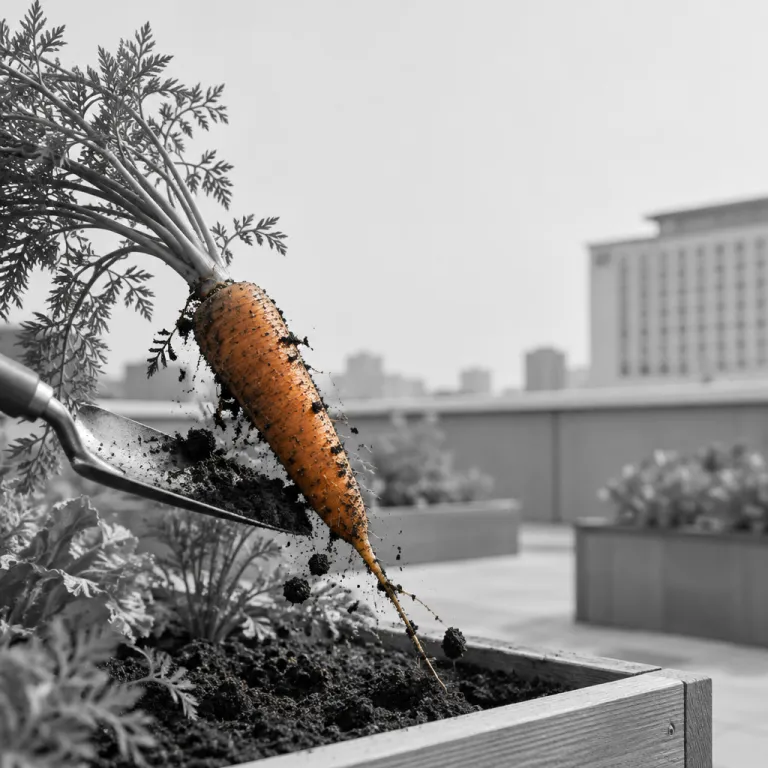
Beijing hotel rooftop garden sustainable dining for modern couples
Beijing is quietly rewriting luxury, and the most interesting stories now start in the hotel garden rather than the marble lobby. For couples planning a trip through China who care about provenance but still want a glass of Champagne with skyline views, the new wave of beijing hotel rooftop garden sustainable dining offers a different kind of indulgence. You book the hotel, you get the stars and the spa, but you also get basil clipped from a rooftop garden thirty seconds before it hits your plate.
Across the city, a handful of high end hotels are turning rooftops and courtyards into productive gardens that feed their restaurants and bar menus. These hotels in Beijing are responding to national sustainability targets that push flagship properties to cut water use and increase renewable energy, and the smartest general managers see food production as part of that same shift. For couples who split their time between Beijing, Hong Kong and other Asian capitals, this garden focused approach feels aligned with a broader travel trend toward wellness and authenticity rather than excess.
When you read recent reviews of a leading hotel Beijing property, you now see as many mentions of rooftop tomatoes as of thread count. Guests enjoy walking through a small garden before dinner, hearing chefs explain how traditional Chinese herbs grown on site end up in a modern tasting menu. The beijing hotel rooftop garden sustainable dining movement is still niche, but it is already shaping which hotels earn good reviews from sustainability minded travelers and which feel stuck in an older definition of luxury.
From skyline bars to edible gardens: how luxury hotels are changing
The shift started at the bar, when mixologists began asking chefs for fresher mint and citrus leaves for happy hour cocktails. Once a few hotels in Beijing experimented with small rooftop herb beds, it became obvious that the same space could support a more ambitious garden that supplied both drinks and food. Now, when you scan reviews of the city’s top hotels, you will notice couples praising not just the views from the rooftop but the fact that their gin and tonic is perfumed with rooftop grown lemongrass.
Some of the most interesting examples sit along Chang’an Avenue and in the embassy district, where international brands and independent palace style properties compete for the same well traveled guests. A Hyatt hotel in the central business district, for instance, has tested compact hydroponic systems on a rooftop terrace, using them to grow lettuces and herbs for its Chinese cuisine outlets and its all day restaurant Beijing buffet. This is not a marketing gimmick ; chefs track yields, adjust planting schedules by day and season, and integrate the harvest into tasting menus that pair local vegetables with seafood flown in via Beijing Capital International Airport.
For couples planning a day Beijing itinerary that moves from the Forbidden City to contemporary galleries, these hotels offer a calm, grounded dining experience at the end of the day. You might start with a garden tour, then sit down to a multi course dinner where traditional Chinese flavors meet European techniques, all framed by the beijing hotel rooftop garden sustainable dining philosophy. If breakfast matters to you as much as dinner, look at how properties featured in this guide to Beijing luxury hotels with standout breakfasts are beginning to integrate rooftop eggs, herbs and seasonal fruit into their morning service.
Edible gardens, real sustainability and how to read between the lines
Not every hotel garden you can eat is equally meaningful, and this is where a little skepticism serves you well. Some hotels in Beijing have planted a few herbs near the rooftop bar, taken photos for social media and called it sustainable dining, but the impact on food sourcing is minimal. Others have woven the garden into procurement, waste management and staff training, making beijing hotel rooftop garden sustainable dining a core part of the operation rather than a decorative flourish.
China’s national sustainability agenda now expects leading hotels to reduce water consumption and increase renewable energy use, and serious properties treat their gardens as living laboratories. Drip irrigation, composting of kitchen scraps and careful selection of native plants help these gardens thrive in Beijing’s dry climate while supporting broader environmental goals. When you read good reviews that mention a hotel Beijing property’s garden, look for details about how the garden connects to the restaurants, not just to the marketing photos.
One reliable sign is whether the garden influences the daily menu in the main restaurant Beijing dining room and in secondary outlets such as lobby lounges. If the chef can point to specific dishes where rooftop vegetables or herbs replace imported ingredients, you are seeing genuine beijing hotel rooftop garden sustainable dining in action. For a deeper look at how green thinking is reshaping hospitality and even city transport, this piece on the green side of Beijing and hotels where nature comes first offers useful context for planning a more sustainable trip.
Where edible gardens meet Beijing’s culture, attractions and restaurant scene
What makes these hotel gardens compelling is not just the food, but how they connect you to the wider city. A well designed rooftop garden frames views of Beijing’s layered skyline, from glass towers to distant mountains and, on clear days, even the faint outline of the hills that cradle the Great Wall of China. Couples can sip a drink at the bar while staff explain how the same herbs appear in both traditional Chinese medicine and in the evening’s tasting menu.
Some of the most atmospheric programs sit in or near historic hutong districts, where low rise hotels carve out inner courtyards for compact gardens. Here, chefs might grow chillies, scallions and coriander that echo the flavors you will taste later at TRB Hutong or at other restaurants Beijing locals recommend for refined Chinese cuisine. Spending a day Beijing style could mean walking from your hotel garden to nearby popular attractions, then returning for a quiet, garden anchored dining experience that feels more intimate than many popular restaurants.
These edible gardens also help hotels position themselves within Beijing’s competitive restaurant Beijing landscape, where visiting chefs and local restaurateurs constantly raise the bar. Properties that align their menus with seasonal rooftop harvests stand out in any beijing top restaurant guide, especially for couples who have already eaten their way through Hong Kong and Shanghai. If you are curious how this culinary energy connects to the city’s broader cultural life, the analysis of festival tourism on Beijing’s cultural events and tourism ambitions shows how food, art and performance now shape the modern capital.
How to choose a hotel garden you can eat on your next trip
When you start comparing hotels for a romantic trip to Beijing, move beyond the usual stars and spa photos and read the fine print on food sourcing. Look for concrete information about rooftop or courtyard gardens, partnerships with peri urban farms outside Beijing Capital and specific dishes that highlight garden produce. Reviews that mention guests enjoy harvesting herbs with the chef, or joining a short garden tour before dinner, are usually more reliable than vague sustainability claims.
Ask the hotel directly how much of the menu comes from its own garden and how often that garden shapes daily specials. A property that takes beijing hotel rooftop garden sustainable dining seriously will be able to explain which restaurants on site use garden produce, from the signature Chinese cuisine venue to the all day café and even the bar snacks served during happy hour. If the hotel Beijing team can also describe how they manage compost, water use and seasonal planting, you are likely looking at a genuinely engaged property rather than a marketing exercise.
Finally, consider how the garden fits into your wider travel plans, including day trips to popular attractions such as the Great Wall and the Temple of Heaven. A hotel near central transport hubs or on the route from Capital International Airport can anchor a trip where you balance city energy with quiet, garden centered evenings. For couples who value both romance and responsibility, choosing one of these hotels in Beijing turns every meal into a small act of alignment with the city’s greener future.
FAQ
Which areas of Beijing are best for hotels with edible rooftop gardens ?
The most interesting hotel gardens tend to cluster in the central business district, around the embassy quarter and in select hutong neighborhoods near major attractions. These areas combine strong restaurant Beijing scenes, good transport links and rooftops with open views, which makes rooftop gardens both practical and visually appealing. When searching for hotels in Beijing, filter for properties that highlight on site gardens or farm to table programs in their descriptions.
Can rooftop hotel gardens really supply enough food for a restaurant ?
Rooftop and courtyard gardens rarely supply all the food for a large hotel restaurant, but they can cover a meaningful share of herbs, salad greens and some vegetables. The most committed properties integrate these gardens into broader sourcing strategies that also include local farms around Beijing Capital and nearby regions. This combination reduces transport emissions, improves freshness and supports the beijing hotel rooftop garden sustainable dining philosophy in a practical way.
How do I avoid greenwashing when a hotel claims to be sustainable ?
Look for specific, verifiable details rather than broad statements about being eco friendly. Serious hotels will describe how their garden links to menu planning, waste reduction and water management, and reviews from past guests often confirm whether these practices feel real. If a property only mentions a small herb planter near the bar but cannot explain how it affects the food, its sustainability claims are probably limited.
Are hotel gardens accessible if I only stay one night in Beijing ?
Many hotels in Beijing with rooftop or courtyard gardens offer short tours or informal visits that fit easily into a one night stay. You can often join a quick walk through the garden before dinner or during happy hour at the bar, even on a tight schedule. For couples on a fast moving trip across China, this brief contact with beijing hotel rooftop garden sustainable dining still adds a memorable local touch.
Do edible hotel gardens cost more for guests ?
Room rates at hotels with serious garden programs can sit at the higher end of the market, but the garden itself is rarely the sole reason for the price. You are usually paying for a broader package of location, service, design and culinary ambition, with the garden acting as a differentiating feature. For many couples, the added value of fresher food, engaging experiences and alignment with sustainable travel goals justifies choosing these properties over slightly cheaper alternatives.